 Skip to content

Hidden Costs of Buying a House in France That No One Tells You About 🏡💶
Buying a house in France can seem like a dream come true, especially when you see charming countryside homes at incredibly low prices. However, many buyers—especially foreigners—underestimate the hidden costs involved in purchasing and owning property in France. While the listing price may look like a bargain, the real cost of homeownership in France goes far beyond the purchase price. In this article, we’ll break down the hidden expenses that no one talks about—so you can budget wisely and avoid costly surprises.
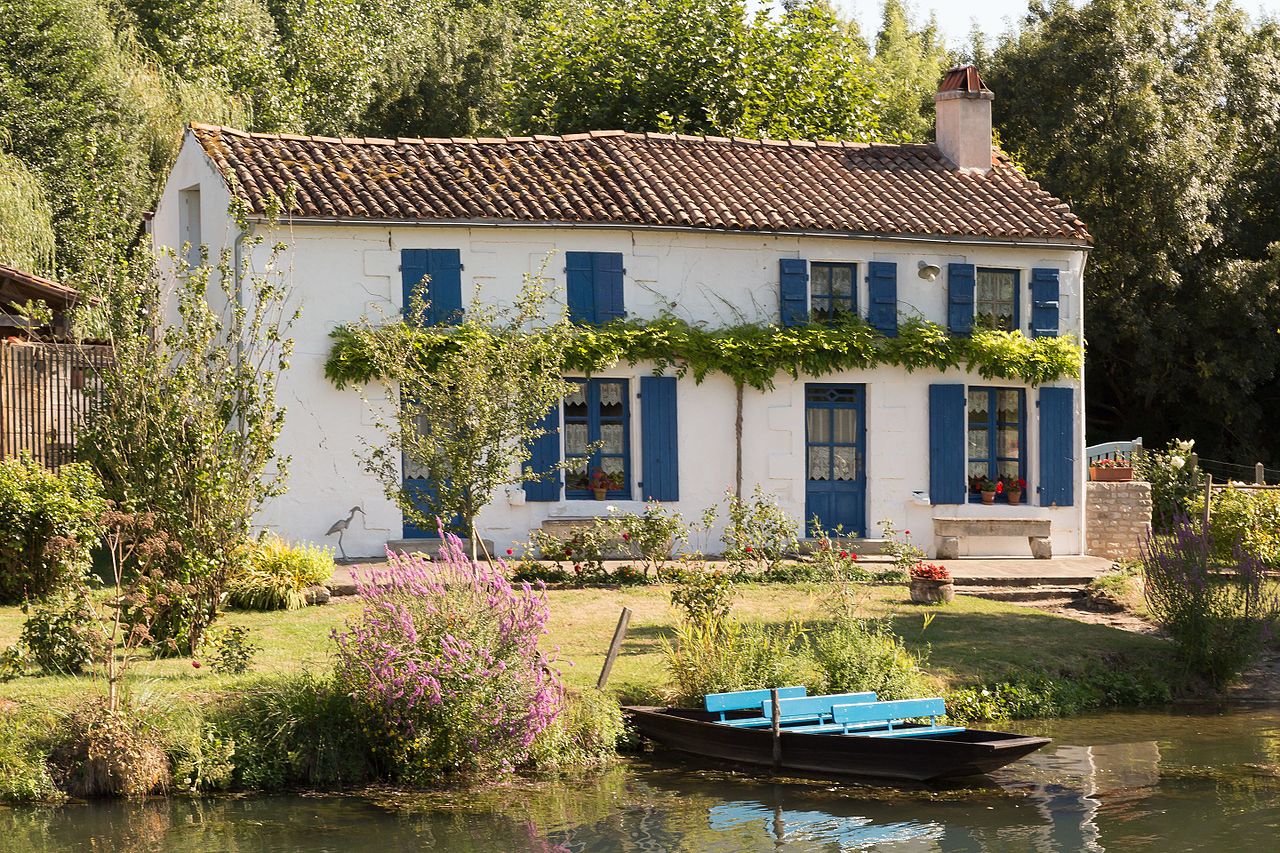
1. Notaire Fees: More Than Just a Signature ✍️

Photo by Scott Graham on Unsplash
When buying a house in France, you must use a notaire (a government-appointed legal professional who ensures the transaction is legal and properly registered). The notaire’s fees, also known as “frais de notaire”, are much higher than in many other countries.
💰 How much does it cost?
- For an existing home, expect to pay 7-8% of the purchase price.
- For a new-build property, the fees are lower—around 2-3%.
🛑 Hidden cost alert: Many buyers assume the notaire’s fee includes everything, but part of it actually goes to government taxes (registration duties). The notaire only keeps about 1% for their services—the rest is a mix of taxes and administrative costs.
2. Property Taxes: Two Taxes, Two Surprises 🏠💰
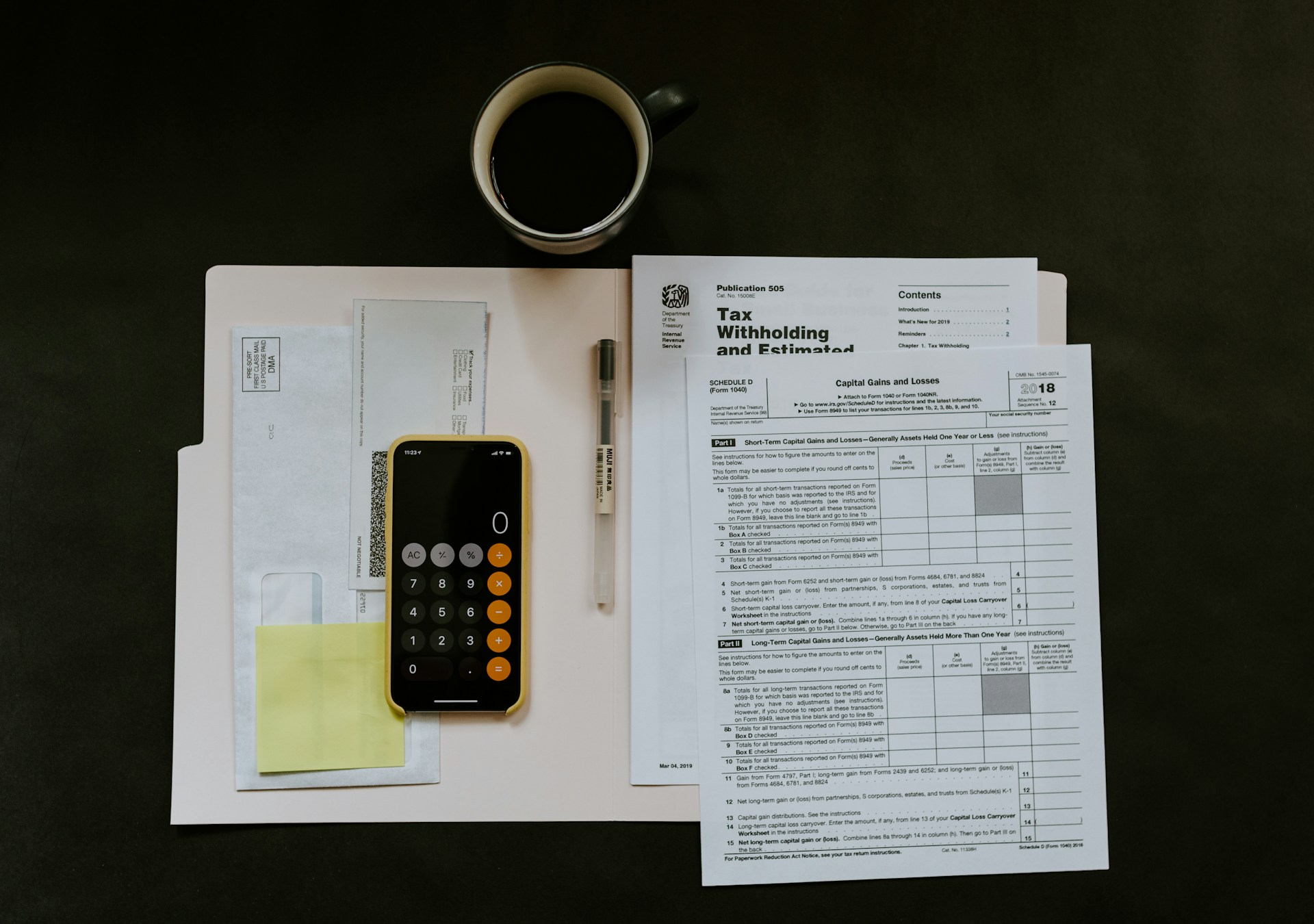
Photo by Kelly Sikkema on Unsplash
Unlike in some countries where property tax is a single annual bill, in France, there are two property taxes that homeowners must pay:
1. Taxe Foncière (Land Tax)
- Paid by the owner of the property, whether they live there or not.
- Varies based on the location and size of the property.
- Can range from €500 to over €3,000 per year, depending on the area.
💡 Surprise: Some rural properties have extremely high taxe foncière, even if the house is cheap. Always ask for the previous year’s tax amount before purchasing.
2. Taxe d’Habitation (Residence Tax)
- Used to be paid by all occupants, but since 2023, it’s being phased out for primary residences.
- Still applies to second homes, vacation homes, and rental properties.
- If you buy a house as a holiday home, you will still have to pay taxe d’habitation each year.
💡 Surprise: Some towns charge a higher taxe d’habitation on second homes to discourage investors from leaving properties vacant.
3. Home Renovation & Unexpected Repairs 🔨
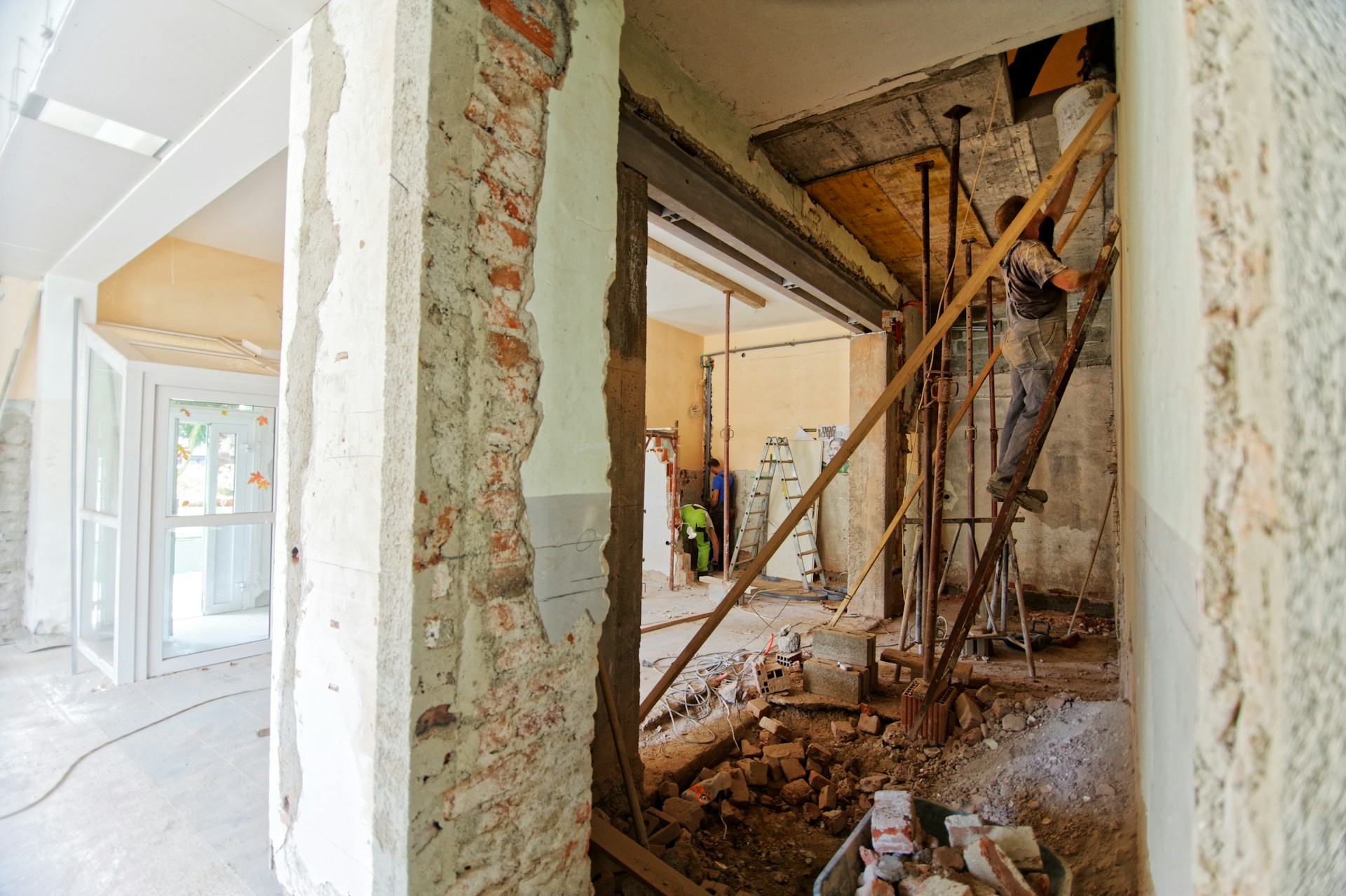
Photo by Milivoj Kuhar on Unsplash
Many foreigners buy a house in rural France because they’re affordable, but they often require extensive renovations. Even houses that appear “move-in ready” can have hidden structural problems.
Common Renovation Costs to Expect:
- Roof repairs or replacement (€10,000 – €40,000)
- New heating system (€5,000 – €15,000)
- Septic tank installation (for non-mains drainage) (€8,000 – €12,000)
- Electricity rewiring (€5,000 – €20,000)
- Fixing damp and insulation issues (€3,000 – €15,000)
💡 Surprise: French law requires that all properties have an energy performance certificate (DPE) before being sold. Low ratings (F or G) mean the house will require significant insulation and heating upgrades, which can be expensive.
4. Real Estate Agent Fees: Who Pays? 🤔

Photo by Tierra Mallorca on Unsplash
In France, real estate agent fees are typically paid by the buyer, not the seller, which can be a surprise for many foreign buyers.
💰 Agent commissions range from 4% to 8% of the selling price, but unlike in other countries, these fees are often included in the listing price (marked as “FAI” – Frais d’Agence Inclus).
💡 Surprise: Sometimes, sellers list a net price (excluding agent fees), and buyers only discover the extra commission when signing the contract.
5. Legal & Administrative Costs: The Paperwork Trap 📑

Photo by Anthony Choren on Unsplash
French bureaucracy is notorious for being complex, and buying a house involves multiple legal steps and additional costs beyond the notaire’s fee.
Additional Legal Costs to Consider
✔️ Mortgage fees – If financing the purchase, banks charge a set-up fee of €500 to €1,500 plus compulsory life insurance.
✔️ Translation fees – If you don’t speak French, you may need to hire a sworn translator (€500+ for documents).
✔️ Inheritance planning – French inheritance laws are complex. Many foreign buyers hire a notaire or lawyer to create a legal strategy to protect their assets (€1,500+).
6. Currency Exchange & Bank Transfer Fees 💸

Photo by Jason Leung on Unsplash
If you’re buying from abroad, you’ll likely need to transfer large sums of money from your home currency into euros.
💰 Potential hidden costs:
✔️ Bank transfer fees – Some banks charge €30 to €100 per transfer.
✔️ Currency exchange fluctuations – If the exchange rate shifts, your house price could increase by thousands overnight.
💡 Pro Tip: Use a specialized currency exchange service (like Wise or Revolut) instead of a traditional bank to save money on transfers.
7. Home Insurance: Mandatory and Expensive 🔥

Photo by Vlad Deep on Unsplash
Unlike in some countries, home insurance in France is mandatory for mortgaged properties and rental properties. Even if you own the house outright, you’ll need fire and liability insurance.
💰 How much does it cost?
- €200 – €800 per year for a small house.
- €1,500+ per year for large homes in expensive areas.
💡 Surprise: If your house is in a flood zone, insurance will be significantly higher!
8. Annual Maintenance & Utility Costs 💡🚰
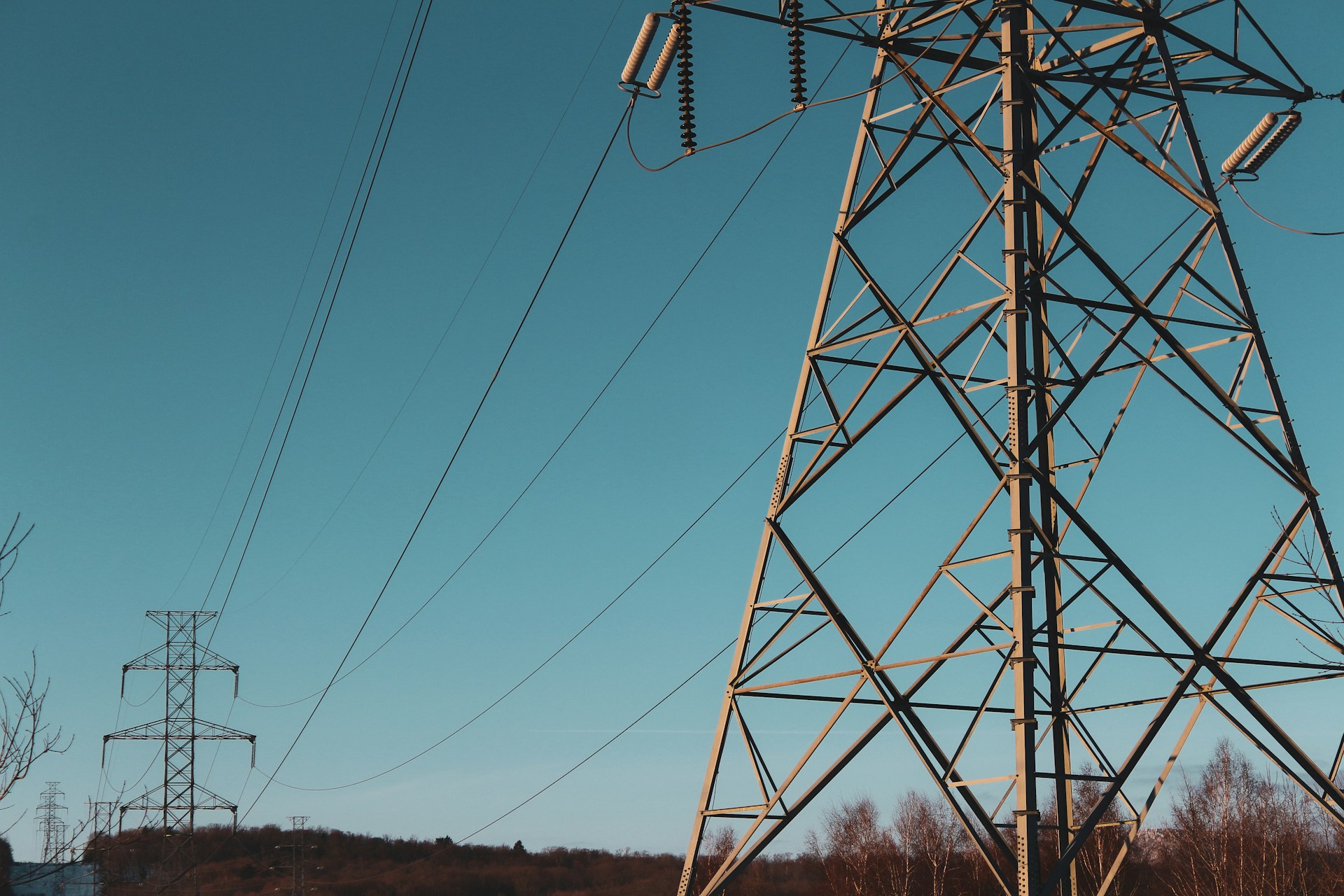
Photo by Sigmund on Unsplash
Even if you don’t live in the house year-round, you’ll still have ongoing costs.
Common Expenses:
✔️ Electricity & Water – Around €1,500 per year for a modest home.
✔️ Septic Tank Inspections – Required every 4 years (€300 – €500 per inspection).
✔️ Chimney Sweeping – Legally required in many regions (€80 – €150 per year).
✔️ Gardening & Snow Removal – If you’re not present year-round, hiring someone can cost €500 – €2,000 annually.
Conclusion: Is Buying in France Still Worth It? 🧐
Buying a house in France is still an amazing opportunity, but only if you plan ahead. While the listing prices might look cheap, you need to factor in these hidden costs to avoid financial surprises.
Key Takeaways:
✔️ Budget 10-12% more than the purchase price for closing costs.
✔️ Ask about taxe foncière and taxe d’habitation before buying.
✔️ Get a full structural survey if the house is old.
✔️ Use a currency exchange service to save on bank fees.
✔️ Plan for at least €5,000 per year in maintenance costs.

.jpg)