 Skip to content

Relocate to France:
Paris
Everything you need to know before making the City of Love your new home.
Moving to Paris is an exciting adventure, but it also comes with big decisions, new systems to understand, and plenty of details to figure out. Whether you’re relocating for work, studies, family, or simply a change of scenery, this guide will help you prepare for your new life in the City of Love. From choosing the right arrondissement to understanding visas, navigating French bureaucracy, budgeting, and settling into everyday Parisian life, you’ll find everything you need to make informed choices and start your move with confidence.
This page brings together practical advice, local insights, and expert tips based on real experience. And if you ever need personalized support, we’re here to help you every step of the way.
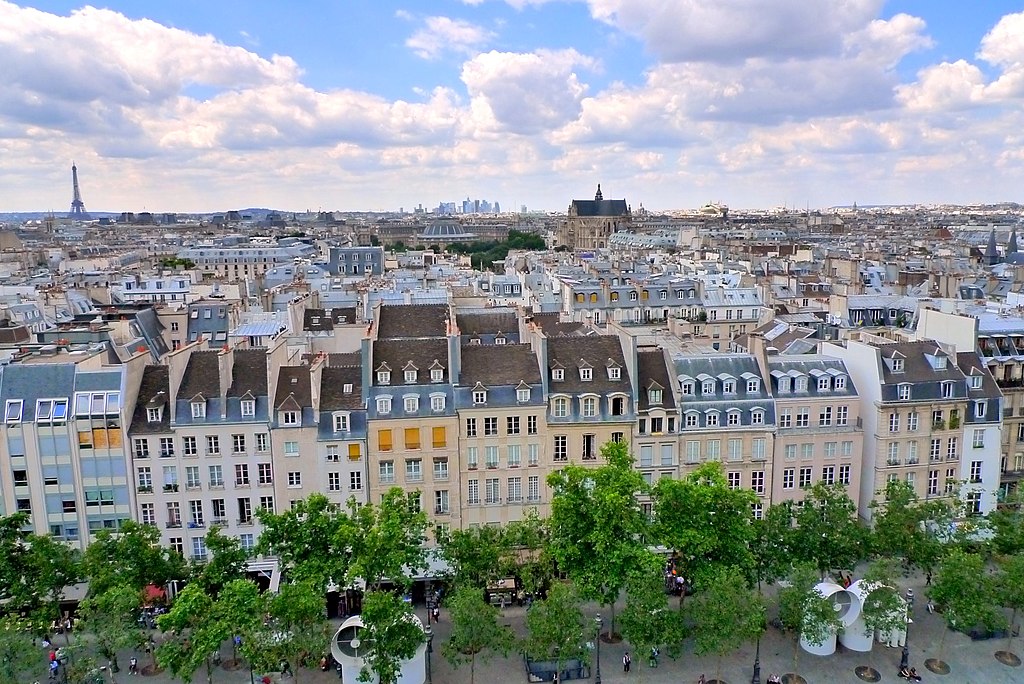
Photo by zoetnet under licenceCC BY 2.0
🏙️ Living in Paris
Which arrondissement is right for you?
Paris is divided into 20 arrondissements (districts), each with its own personality, lifestyle, and atmosphere. Choosing where to live will have a big impact on your daily experience, from your commute and rent prices to the type of neighborhood cafés you’ll frequent. Here’s a breakdown to help you find the one that best suits your needs:
📸 1st–4th: Historic & Central
These are the oldest and most touristic parts of Paris, home to the Louvre, Notre-Dame, and the Marais.
Expect beautiful architecture, cobbled streets, and a high concentration of museums and landmarks. Great if you love being in the heart of the action, but rent is high and apartments are often small.
Best for: Culture lovers, short-term stays, solo expats
Neighborhood Vibe: Historic, busy, elegant
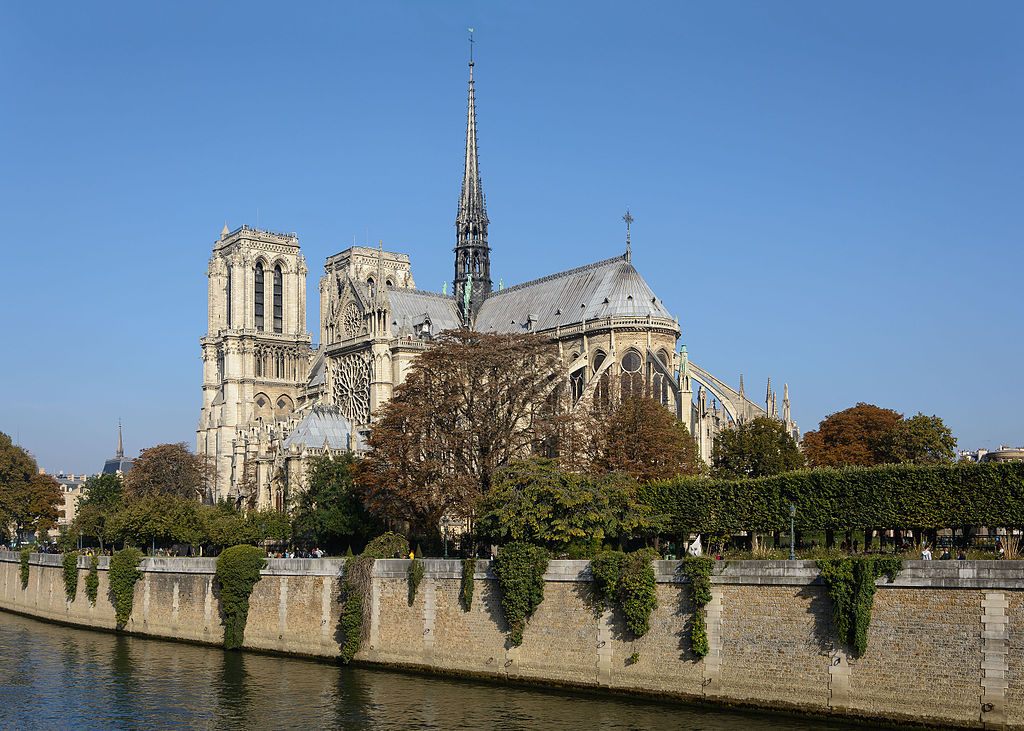
Southeast view of cathedral Notre-Dame de Paris, France
Photo by Uoaei1 under licence CC BY-SA 4.0
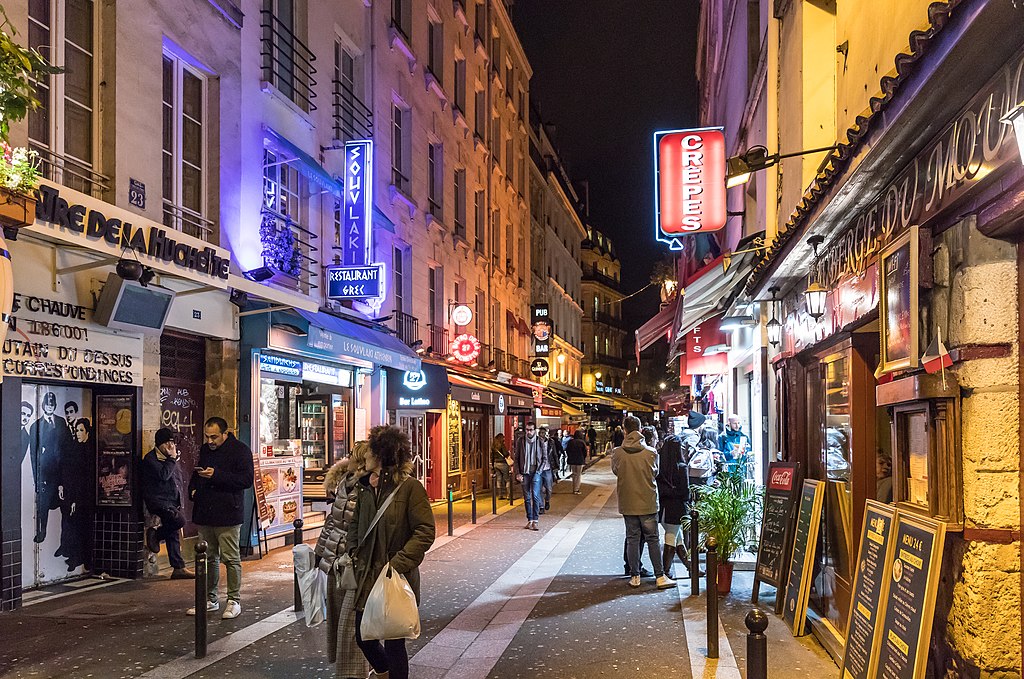
Quartier Latin
Photo by Ninara under licence CC BY-SA 2.0
🧑🎓 5th–6th: Intellectual & Upscale
The Latin Quarter (5th) is known for its universities and bookshops, while the 6th (Saint-Germain-des-Prés) is refined and artistic. Rents are high, but you’re in walking distance of the Seine, beautiful gardens, and many classic cafés.
Best for: Students, academics, long-time Paris fans
Neighborhood Vibe: Intellectual, charming, walkable
🛍️ 7th–8th: Iconic & Affluent
The 7th is home to the Eiffel Tower and elegant residential streets. The 8th includes the Champs-Élysées and luxury boutiques. Living here is prestigious but pricey, and often quieter than you’d expect.
Best for: Professionals, retirees, diplomats
Neighborhood Vibe: Upscale, refined, quiet
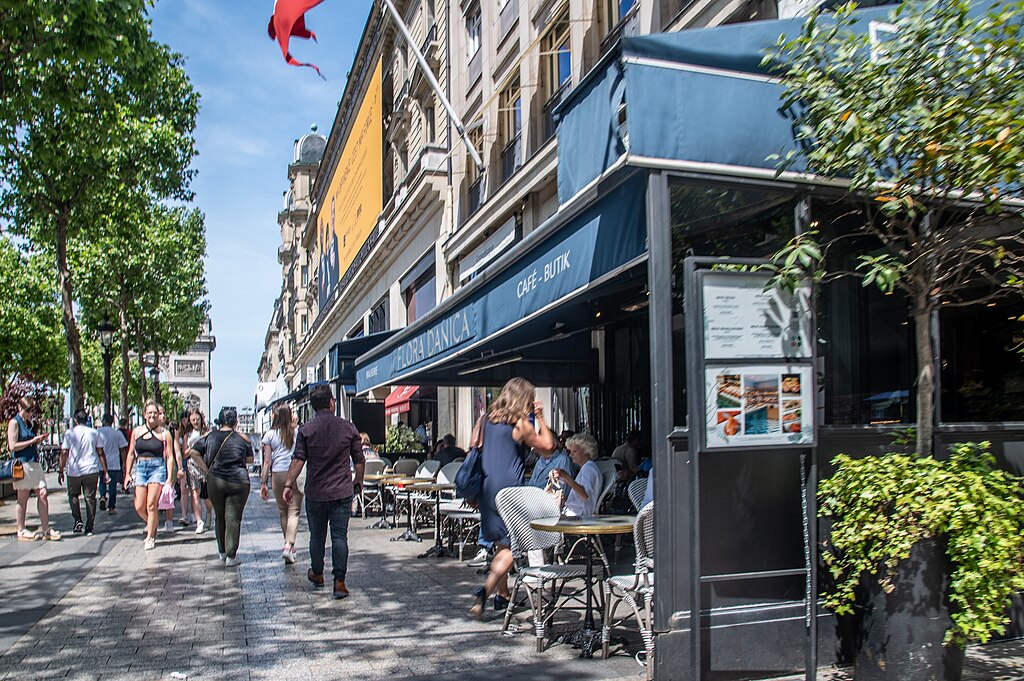
Champs-Élysées
Photo by Michael Gaylard under licence CC BY-SA 2.0
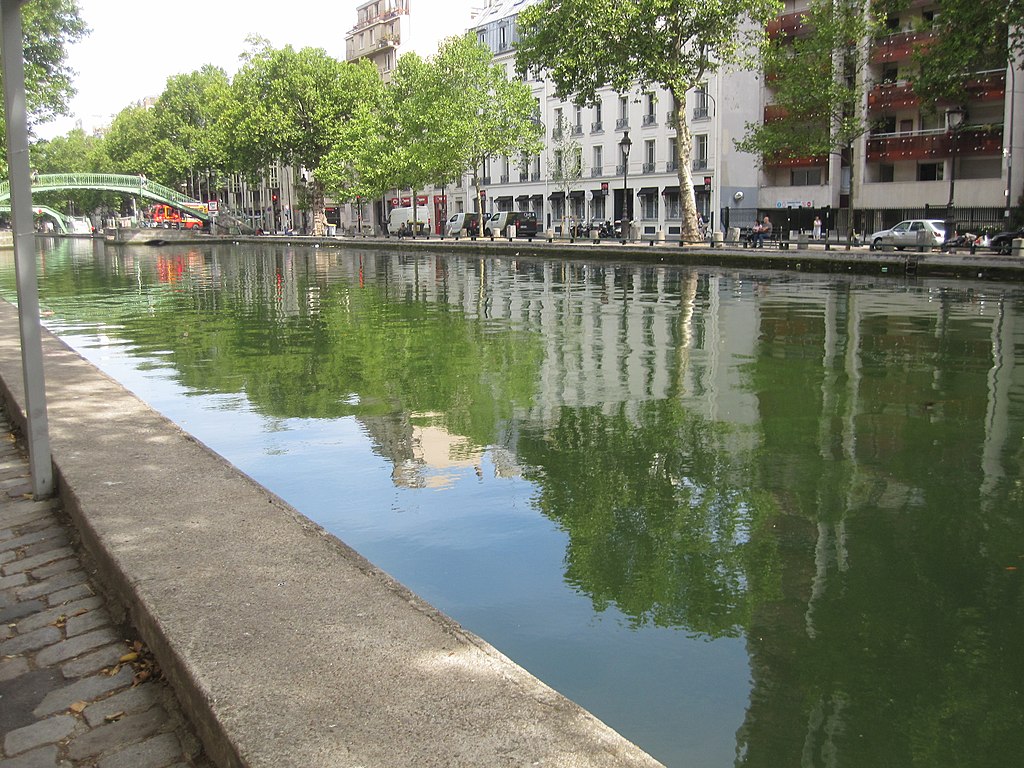
Canal Saint-Martin
Photo by DiscoA340 under licence CC BY-SA 4.0
🌿 9th–10th: Trendy & Transitional
The 9th mixes old-school Parisian charm with cool shops and cafés. The 10th (Canal Saint-Martin) has become a magnet for young professionals and creatives. More affordable than central Paris but still very connected.
Best for: Young professionals, creatives, digital nomads
Neighborhood Vibe: Hip, lively, evolving
🍷 11th–12th: Lively & Local
These arrondissements offer a more authentic Parisian lifestyle, with vibrant nightlife (especially in the 11th), excellent bakeries, and reasonable rent prices. The 12th also offers green space with the Bois de Vincennes.
Best for: Mid-budget expats, couples, foodies
Neighborhood Vibe: Diverse, energetic, unpretentious
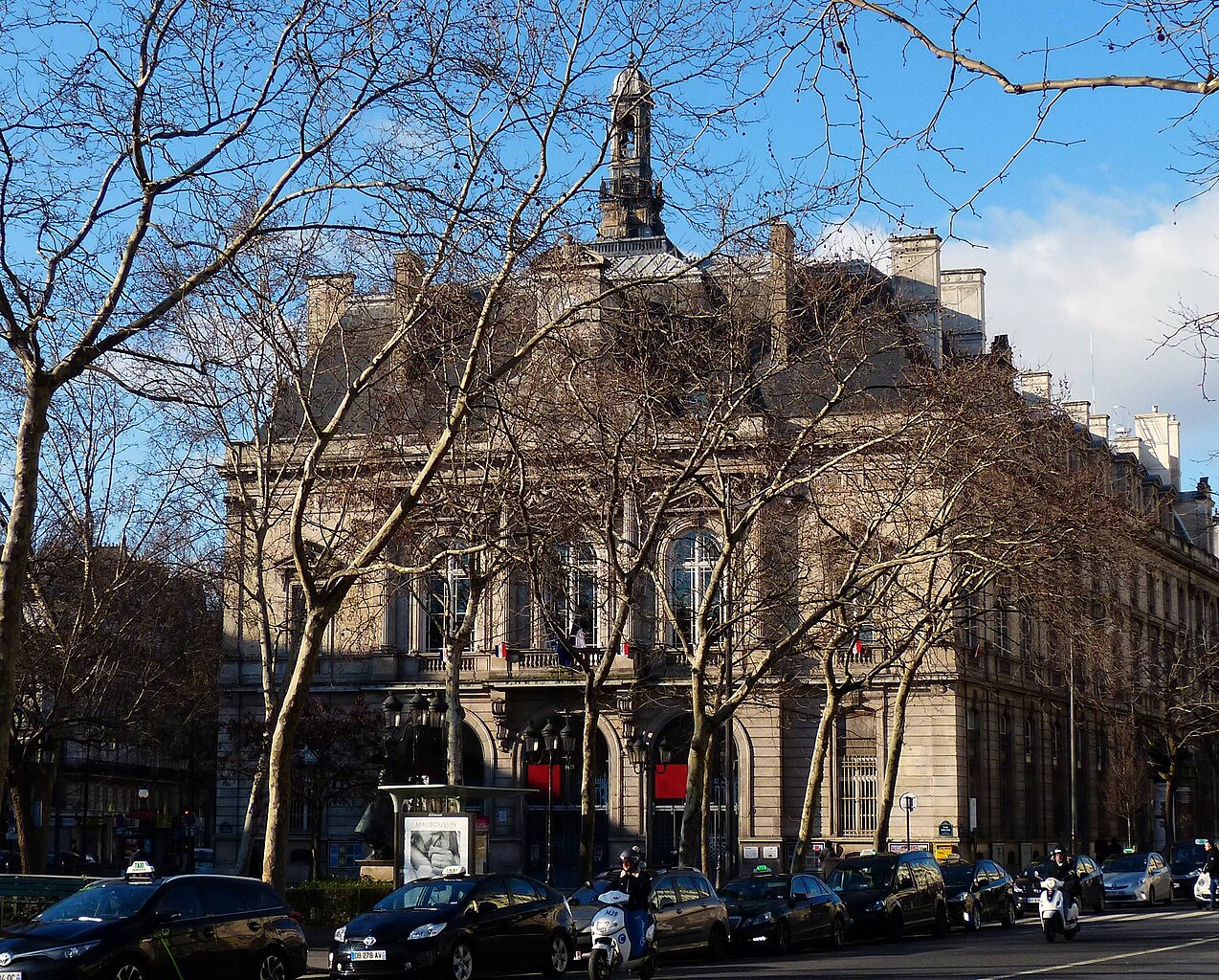
City Hall of the 11th
Photo by Micsterm under licence CC BY-SA 4.0
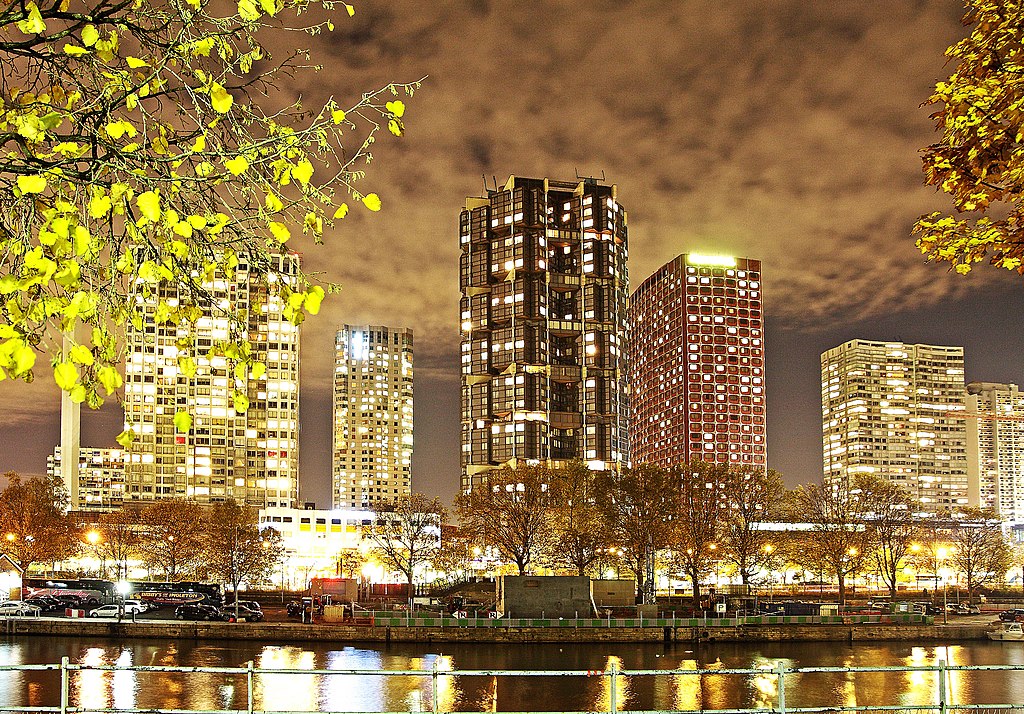
15th arrondissement
Photo by Jean-François Gornet under licence CC BY-SA 2.0
🧘 13th–15th: Residential & Calm
These areas feel more suburban and are popular with families and expats who want more space and quieter streets. The 15th is one of the most populated districts, with a mix of modern and classic buildings.
Best for: Families, long-term expats, remote workers
Neighborhood Vibe: Safe, spacious, residential
🏡 16th: Elegant & Quiet
The 16th arrondissement is known for its wide boulevards, Haussmannian buildings, and embassies. It’s one of the most affluent and residential areas of Paris, offering peace and quiet away from tourist crowds. You’ll find great schools, parks (like the Bois de Boulogne), and a polished atmosphere.
Best for: Families, diplomats, retirees
Neighborhood Vibe: Classic, upscale, peaceful
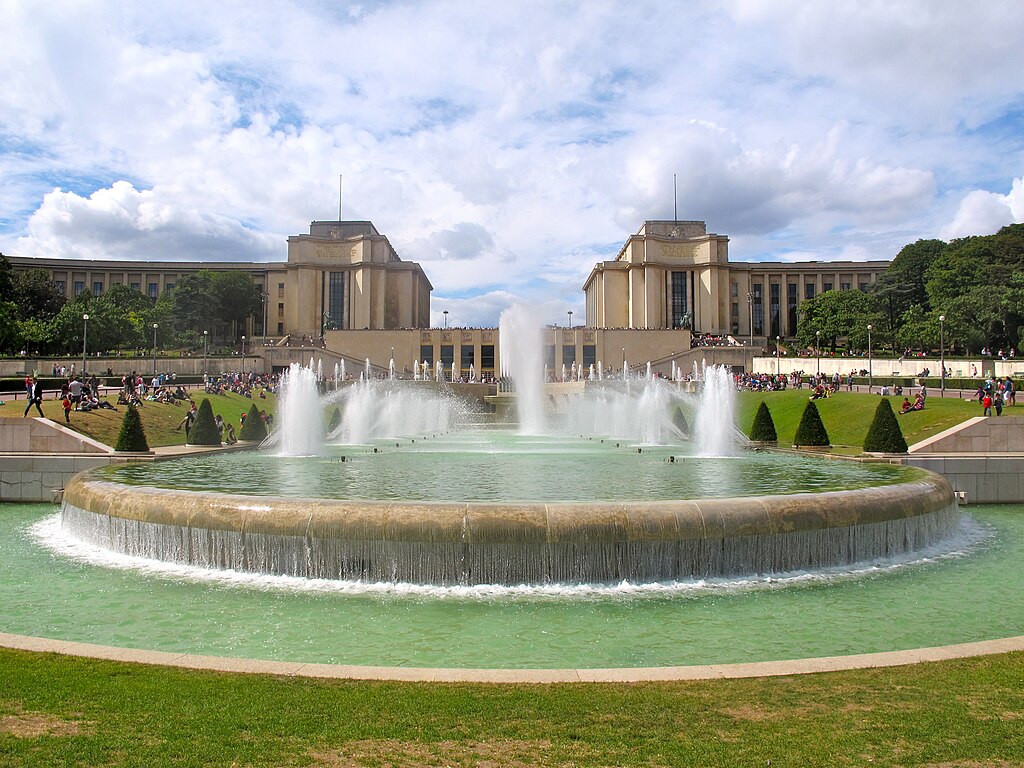
Trocadéro
Photo by Celette under licence CC BY-SA 3.0

Hôtel de Gunsburg from the Arc de Triomphe, Paris.
Photo by FASTILY under licence CC BY-SA 4.0
🌳 17th: Residential with a Local Feel
Split between the chic Parc Monceau area and the more down-to-earth Batignolles neighborhood, the 17th is a great compromise. It’s less touristy, offers green spaces, local markets, and easy access to business districts. A solid pick for those wanting a relaxed but connected lifestyle.
Best for: Families, professionals, expats who want space
Neighborhood Vibe: Local, balanced, underrated
🌍 18th–20th: Diverse & Affordable
These districts offer some of the most affordable housing in Paris proper. The 18th includes Montmartre’s charm, while the 19th and 20th are more multicultural and evolving rapidly. They may lack some polish but have strong communities.
Best for: Budget-conscious expats, artists, students
Neighborhood Vibe: Eclectic, gritty, authentic
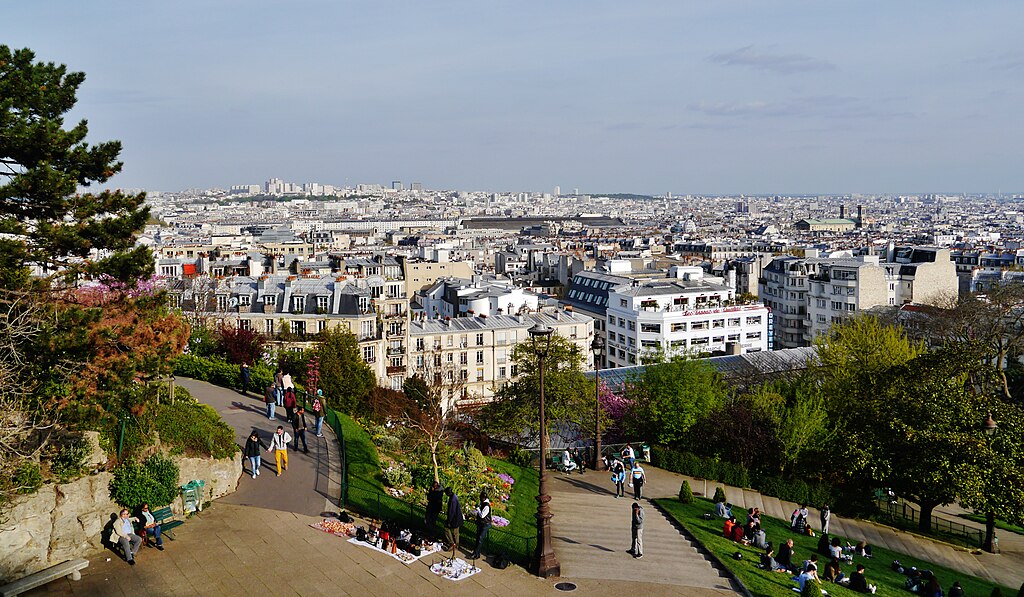
View from Montmartre
Photo by Zairon under licence CC BY-SA 4.0
🏙️ Paris vs. Suburbs: Which should you choose?
Choosing between living in Paris and settling in the suburbs (banlieue) depends on your lifestyle, budget, and personal preferences. Here’s what to consider:
🏠 Living in Paris
Living within the 20 arrondissements means you’re immersed in the energy and elegance of the capital. You’ll be close to museums, cafés, metro stations, and cultural events. But space is limited, apartments are smaller, and prices are high, especially in central areas.
Pros:
-
Walkable access to everything
-
Great public transport
-
Vibrant cultural life
-
Iconic Parisian charm
Cons:
-
Expensive rent and cost of living
-
Small living spaces
-
Noise and crowds
🌳 Living in the Suburbs
Many suburbs of Paris offer a quieter, more spacious, and often more affordable lifestyle, while still being well connected to the city by RER, metro, or tram. Some suburbs are chic and sought after, like Neuilly-sur-Seine or Versailles, while others are more diverse or up-and-coming.
Pros:
-
Larger apartments or houses
-
Better value for money
-
More greenery and parks
-
Often more family-friendly
Cons:
-
Longer commutes (especially during strikes)
-
Less “Parisian” feel
-
Need to research carefully, not all suburbs are equal
🚆 Suburbs worth considering:
-
Neuilly-sur-Seine: Upscale and quiet, just west of Paris
-
Boulogne-Billancourt: Modern, family-oriented, close to the 16th
-
Versailles: Historic charm, great schools, ideal for families
-
Montreuil: Artistic, lively, more affordable
-
Saint-Mandé / Vincennes: Safe, charming, next to the Bois de Vincennes
-
Levallois-Perret: Dynamic, urban, popular with professionals
🏡 Finding a home in Paris: What to expect and how to search
Paris offers a wide variety of housing types, each with its own charm and quirks. Whether you’re dreaming of high ceilings and wrought-iron balconies or just need a practical, budget-friendly base, it helps to know what’s out there, and how to find it.
🏛️ Types of housing in Paris
Haussmannian apartments
These iconic 19th-century buildings are the architectural heart of Paris. Expect high ceilings, hardwood floors, tall windows, and elegant moldings. They’re beautiful, but not always modernized (some lack elevators or have outdated insulation).
Studios and 1-bedroom flats
By far the most common option for newcomers. Studios can be as small as 9-15m² and may include a kitchenette and a shower in the same room. Compact, but charming, and very Parisian.
Modern apartments
Usually found in newer buildings (especially in the 13th, 15th, or outer arrondissements), these units tend to offer better amenities: elevators, dishwashers, proper heating, and insulation.
Shared housing (Colocation)
A great option for students or those on a budget. Shared apartments can also help you meet people and ease the transition into Parisian life.
Furnished vs. Unfurnished
Many rentals come furnished (“meublé”), which is practical for short- or medium-term stays. But if you’re staying long-term and want to make it your own, “non-meublé” may be the better choice, though less common for expats.
🔎 How to apartment hunt in Paris
Apartment hunting in Paris can be a challenge, especially if you’re unfamiliar with how things work. But with the right tools and expectations, it’s absolutely doable.
Best websites to start with:
-
SeLoger – One of the biggest rental sites in France
-
PAP – Direct owner listings (no agency fees)
-
Leboncoin – Like Craigslist, but for everything
-
Facebook Groups – Search “Apartments in Paris” or “Expats in Paris” for real-time offers
Agencies vs. direct owners:
Real estate agencies can help you navigate paperwork and language barriers, but they charge fees (typically 1 month’s rent). Going through a direct owner (like on PAP or Leboncoin) can save money, but may require French fluency and vigilance.
What to watch out for:
-
Scams: Never wire money before visiting. Always sign a proper rental contract.
-
Required documents: Be prepared to provide proof of income, ID, guarantor details, etc. The list can be surprisingly long.
-
Competition: Be quick, apartments go fast in Paris, especially in central areas.
💸 Cost of Living in Paris
Living in Paris can be both magical and expensive, especially if you’re not prepared. Rent is likely to be your biggest monthly expense, and prices vary widely depending on the arrondissement and the type of accommodation. In central districts like the 1st, 6th, or 7th, expect to pay €1,200 to €1,800 per month for a small one-bedroom flat. In more residential or outer districts like the 13th, 15th, or 20th, prices tend to be more manageable, ranging from €800 to €1,200. Studio apartments can start around €700, but anything below that is rare and usually very small or poorly located.
In addition to rent, utilities (electricity, gas, water, and heating) can add €100 to €200 per month, depending on the season and the size of your apartment. Internet is generally fast and affordable, with providers like Free, Orange, and SFR offering plans from €20 to €40 per month. Many furnished rentals bundle some of these costs into the rent, but be sure to ask what’s included before signing.
Daily expenses will vary depending on your lifestyle, but groceries from local supermarkets (Franprix, Monoprix, Lidl) can be relatively affordable, especially if you cook at home. Dining out is more expensive: a meal at a café or brasserie might cost €15–€25, while nicer restaurants can easily push over €50 per person. Coffee and pastries add up quickly, especially in trendy areas, so keep an eye on your “daily indulgence” spending.
Public transportation in Paris is efficient and budget-friendly. A monthly Navigo pass covering unlimited metro, bus, and RER rides in central zones costs around €86. Walking is also a viable (and enjoyable) option in many neighborhoods, and bike-sharing services like Vélib’ make commuting even easier.
Keep track of recurring costs and leave room for surprises: Paris has a way of tempting you with last-minute exhibitions, wine nights, and weekend getaways. Budgeting doesn’t mean cutting the fun; it means making your Parisian experience sustainable.
🛂 Visas & Residency
Before relocating to Paris, it’s crucial to determine whether you need a visa, and if so, which one. EU and EEA citizens can move to France freely without a visa or residency permit. However, for non-EU citizens, including Americans, Canadians, Australians, and Brits, a visa is typically required for stays longer than 90 days.
France offers a variety of visa options depending on your situation: whether you’re coming to study, work, join a partner, start a business, or retire. Some of the most common include the long-stay visitor visa (VLS-TS), the Talent Passport, and student visas. Each visa comes with its own set of eligibility criteria, required documents, and administrative steps.
Once you’ve arrived in France with your long-stay visa, you’ll need to validate it with the OFII (French Office of Immigration and Integration): either online or by attending an in-person appointment. This step is mandatory and must be completed within the first three months of your stay. If you’re staying long-term, you may need to apply for a titre de séjour (residency card) before your visa expires, and you’ll want to keep an eye on renewal timelines and requirements.
The process can be confusing, especially when it comes to navigating French bureaucracy or understanding what happens if your life circumstances change (like switching jobs or applying for a new visa type). That’s why we offer a dedicated service called Moving to France: Private Consultation, where we walk you through your specific case, help you understand your options, and prepare for a smooth transition.
While Paris is an amazing place to call home, the paperwork to stay here legally can be time-consuming. With the right support and a bit of patience, it’s absolutely manageable, and totally worth it.
🛠️ Setting up your life in Paris
Getting a French phone number
One of the first things you’ll want to do is get a local SIM card or mobile plan. Major providers like Orange, SFR, Bouygues, and Free offer both prepaid options and monthly contracts. Prepaid SIMs are easy for short stays, while long-term residents often choose monthly plans for better rates and data.
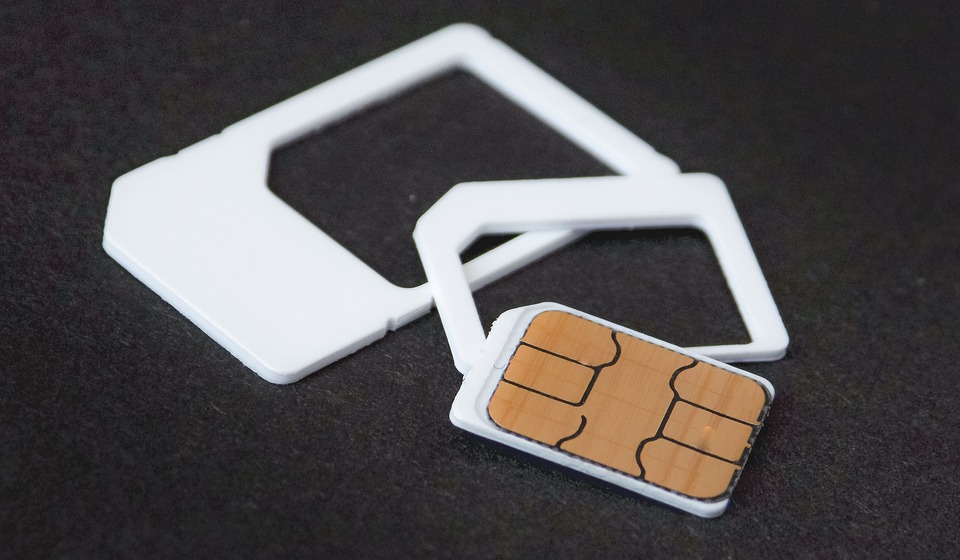
SIM Card
Photo by Luis under licence CC BY-SA 4.0
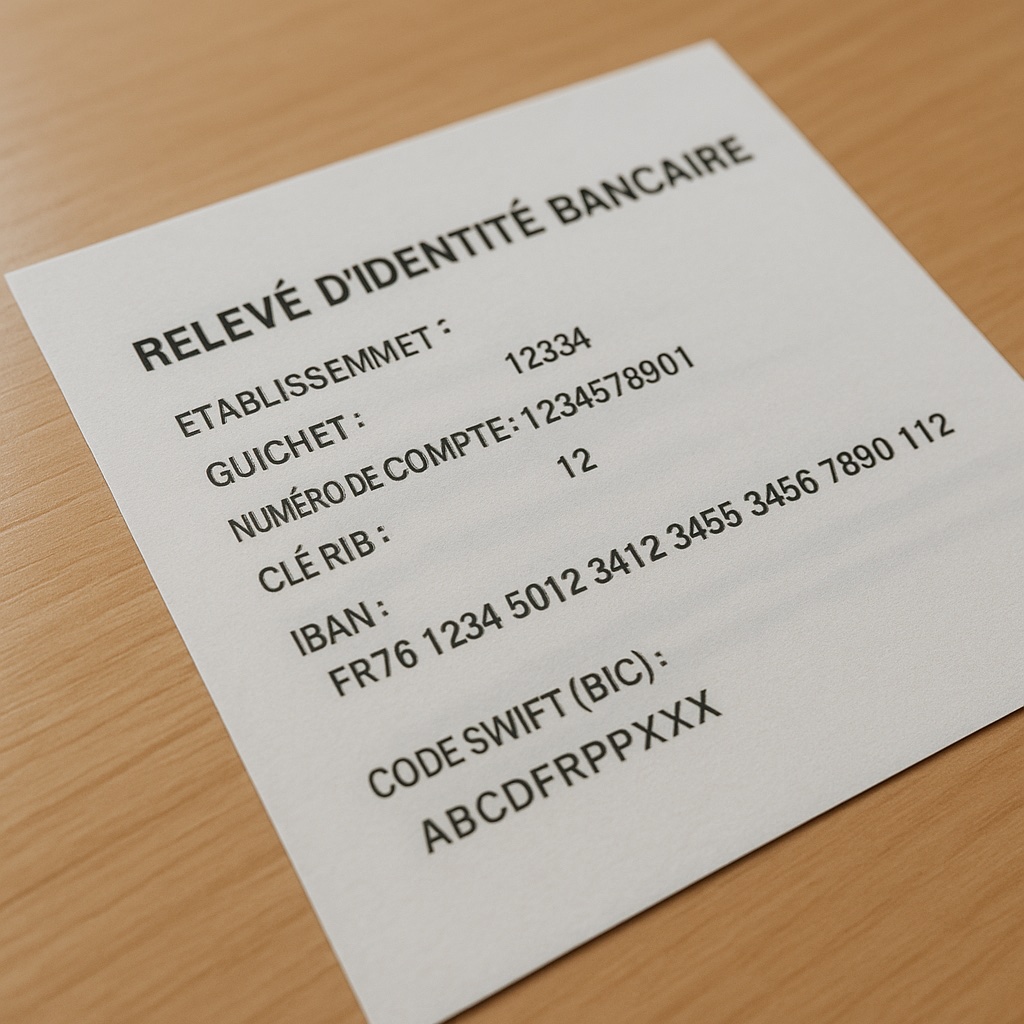
Opening a Bank Account
To rent an apartment or get paid, you’ll need a French bank account. Be prepared to provide ID, proof of address, and a visa or residence permit. Traditional banks like BNP Paribas and Crédit Agricole are everywhere, but online banks like N26 or Revolut can be quicker to open, especially if you’re just settling in.
If you’re feeling unsure about any part of the process, you can book a private consultation for personalized answers. And if you want full, stress‑free assistance, our France Relocation Starter Pack is the perfect way to get started.
Health Insurance and Social Security
Once you’re living in France, you should register with the public healthcare system (CPAM) to receive your carte vitale, which covers most medical costs. The process takes time and paperwork, so many newcomers also take out private insurance during the waiting period.
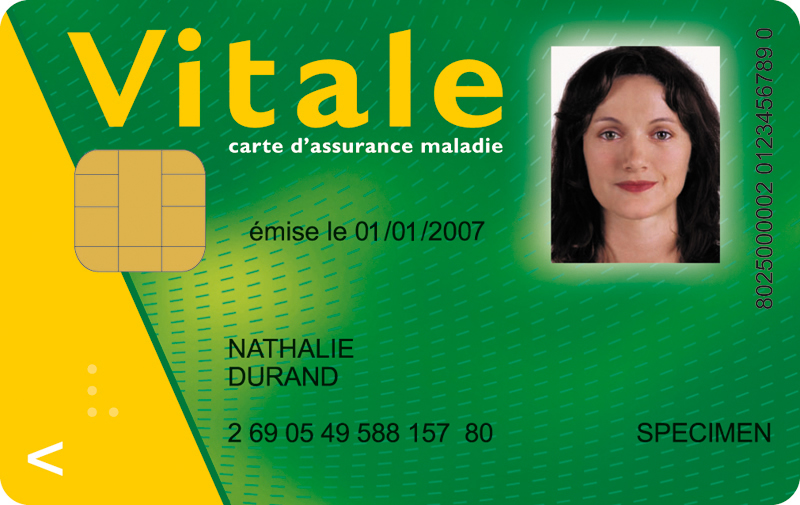
Carte Vitale
Photo by Giesesamvitale under licence CC BY-SA 3.0
Finding a Doctor or Dentist
Healthcare in France is high-quality, but finding the right practitioner can be tricky if you don’t speak French. Use platforms like Doctolib to search for GPs, specialists, or dentists who accept new patients and allow online booking. You can filter by location, language, or whether they take carte vitale.
Schooling for Children
If you’re moving with kids, you’ll need to choose between public, private, bilingual, or international schools. The public school system is free and generally high-standard, but classes are entirely in French. International and bilingual schools are ideal if your child doesn’t speak the language yet, just be aware that spots fill up quickly.
💼 Working in Paris
Starting a professional life in Paris can be exciting, but it often comes with a learning curve, especially if you’re new to the French job market. Finding a job usually means navigating local job boards, understanding which industries are currently hiring, and knowing what level of French is expected. While English‑speaking roles do exist, especially in tech, hospitality, and international companies, many positions still require at least basic French skills.
If you’re planning to work independently, France offers flexible options for freelancers and entrepreneurs through the auto‑entrepreneur (micro‑entreprise) system. It’s one of the simplest ways to start a business in France, but it still involves paperwork, registration, and choosing the right activity type, all things that can feel overwhelming when you’re just arriving.
French work culture might also differ from what you’re used to: standard 35‑hour workweeks, long-term employment contracts (CDI), generous vacations, and a more structured hierarchy are all common. Understanding these cultural expectations can make your integration into the workplace much smoother.
For some professions, especially regulated ones like healthcare, law, accounting, education, or engineering, you may need to have your diplomas recognized or validated in France. This process can vary widely depending on your field and background.
Because every situation is different and the administrative steps can be confusing, we offer personalized guidance through our relocation services. If you want help navigating the French job market, starting a business, or understanding work requirements in Paris, we’re here to support you.
⚠️ Mistakes to avoid when moving to Paris
Moving to Paris is a dream for many, but even dreams require careful planning. One of the biggest mistakes newcomers make is underestimating the French bureaucracy. Paperwork can be time-consuming, confusing, and inconsistent. Whether you’re applying for a visa, registering for healthcare, or trying to open a bank account, expect delays and prepare for a system that values precision over efficiency. Make copies of everything, keep records, and don’t be surprised if the same documents are requested more than once.
Another common oversight is arriving without any knowledge of French. While it’s possible to survive in Paris with English, especially in touristy areas, day-to-day life, from visiting the doctor to dealing with the post office, becomes much smoother with even a basic understanding of the language. Locals appreciate the effort, and being able to handle small interactions in French can make a big difference in how quickly you adapt.
When it comes to housing, many expats assume that rent includes everything, but in France, that’s rarely the case. In addition to your monthly rent, you’ll often need to pay separate charges for things like water, building maintenance, trash collection, and electricity. Always check what’s included in the lease and ask for an estimate of monthly utility bills before signing anything.
Speaking of leases, don’t rush into signing one too quickly. French rental laws strongly protect tenants, but once you sign, you’re locked in with specific obligations. Make sure you understand the notice period, any fees involved, and what’s expected at move-out (like professional cleaning or repainting). If you’re unsure, it’s worth getting advice before committing to a long-term contract.
Relocating to Paris is an amazing opportunity, but it’s easy to make avoidable mistakes. Taking the time to understand how things work, or getting help from someone who does, will save you time, money, and a lot of stress.
🧭 Relocation specialists
Why work with a relocation expert?
Moving to Paris is exciting, but navigating the French system alone can quickly become overwhelming. From finding an apartment to registering for healthcare, each step comes with its own set of challenges, and plenty of paperwork. A relocation expert helps you save time, avoid costly mistakes, and move forward with confidence. Instead of spending hours trying to decode French bureaucracy or struggling through language barriers, you’ll have someone by your side who knows the system and speaks the language.
Whether you’re coming for work, studies, retirement, or simply a new adventure, working with a relocation specialist ensures that the entire process, from planning to settling in, is smooth and stress-free.
What we can help you with
We offer hands-on assistance with the most time-consuming and confusing parts of your move. That includes helping you find housing, setting up utility contracts, registering for social security and health insurance, getting your kids into school, and understanding the basics of life in France. Need help opening a bank account, applying for a residence permit, or figuring out your tax situation? We’ve got you covered. We also share insider tips and vetted local resources to make your life easier from day one.
Personalized support or full-service packages
We understand that every person and every move is different. That’s why we offer flexible levels of support. If you just need help with a few key steps, you can book a one-time consultation or a focused support session. But if you prefer a more hands-off approach, our “France Relocation Starter Pack” includes comprehensive services, from pre-arrival planning to help once you’re here.
Whether you want full-service relocation or just a trusted guide on call, we tailor our support to match your needs, your timeline, and your budget.
