Skip to content

The parts of France you’ve never heard of
When foreigners imagine France, they usually think in shortcuts. Paris. Provence. The Riviera. Maybe Normandy or the Loire Valley. These places exist, of course, but they represent only a very small part of the country.
Beyond them lies another France, one that rarely appears in travel guides or relocation blogs. These are regions with no international reputation, little tourism, and almost no foreign presence. Yet they are deeply French, historically rich, and often home to some of the most affordable property in the country.
Here are five such places.
La Creuse
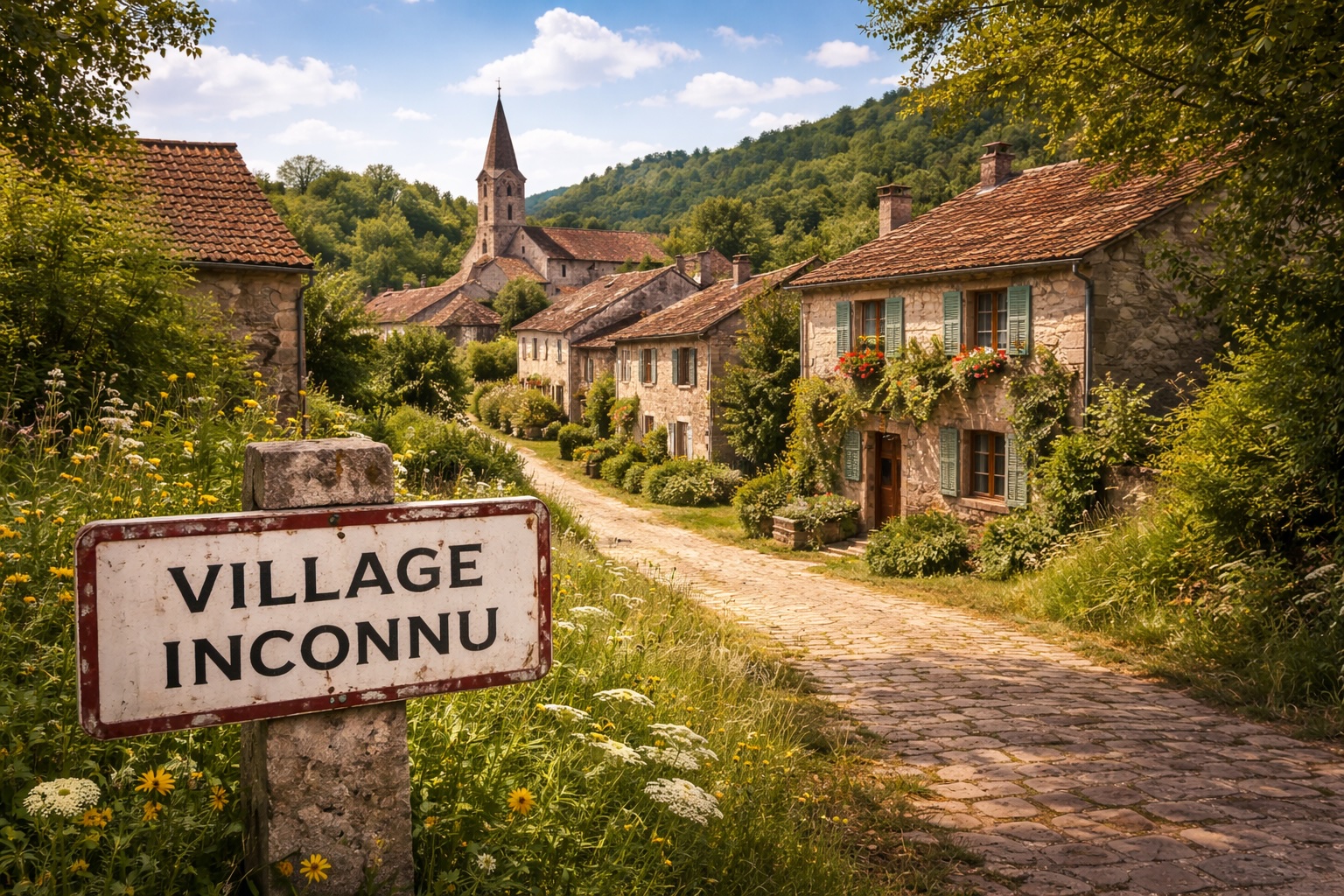
La Creuse is one of the least populated areas in France, and one of the least known abroad. Even many French people struggle to place it on a map. Located in the heart of the country, far from major cities and transport routes, it has never benefited from tourism or industrial development.
The landscape is made of rolling countryside, forests, small rivers, and quiet villages built around granite houses. Life here is slow, deliberate, and deeply rural. There is no postcard version of La Creuse, and that is precisely why it remains invisible to outsiders.
Foreigners rarely hear about La Creuse because it offers nothing spectacular or immediately marketable. There are no famous monuments, no vineyards with international names, no coastline. It is a place of continuity rather than attraction. For those who do discover it, however, it often represents a version of France that feels untouched and surprisingly affordable.
Le Morvan
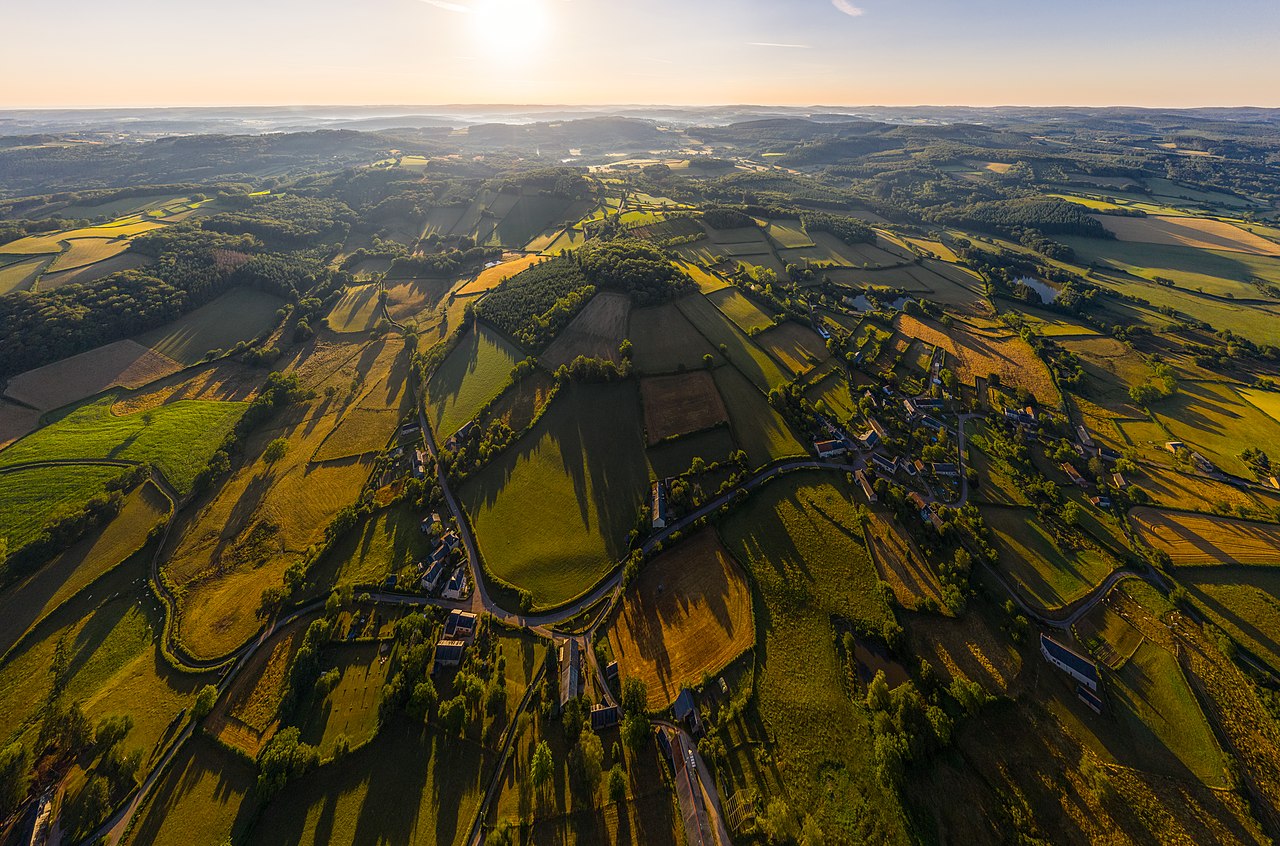
Par Benh LIEU SONG (Flickr) CC BY-SA 2.0
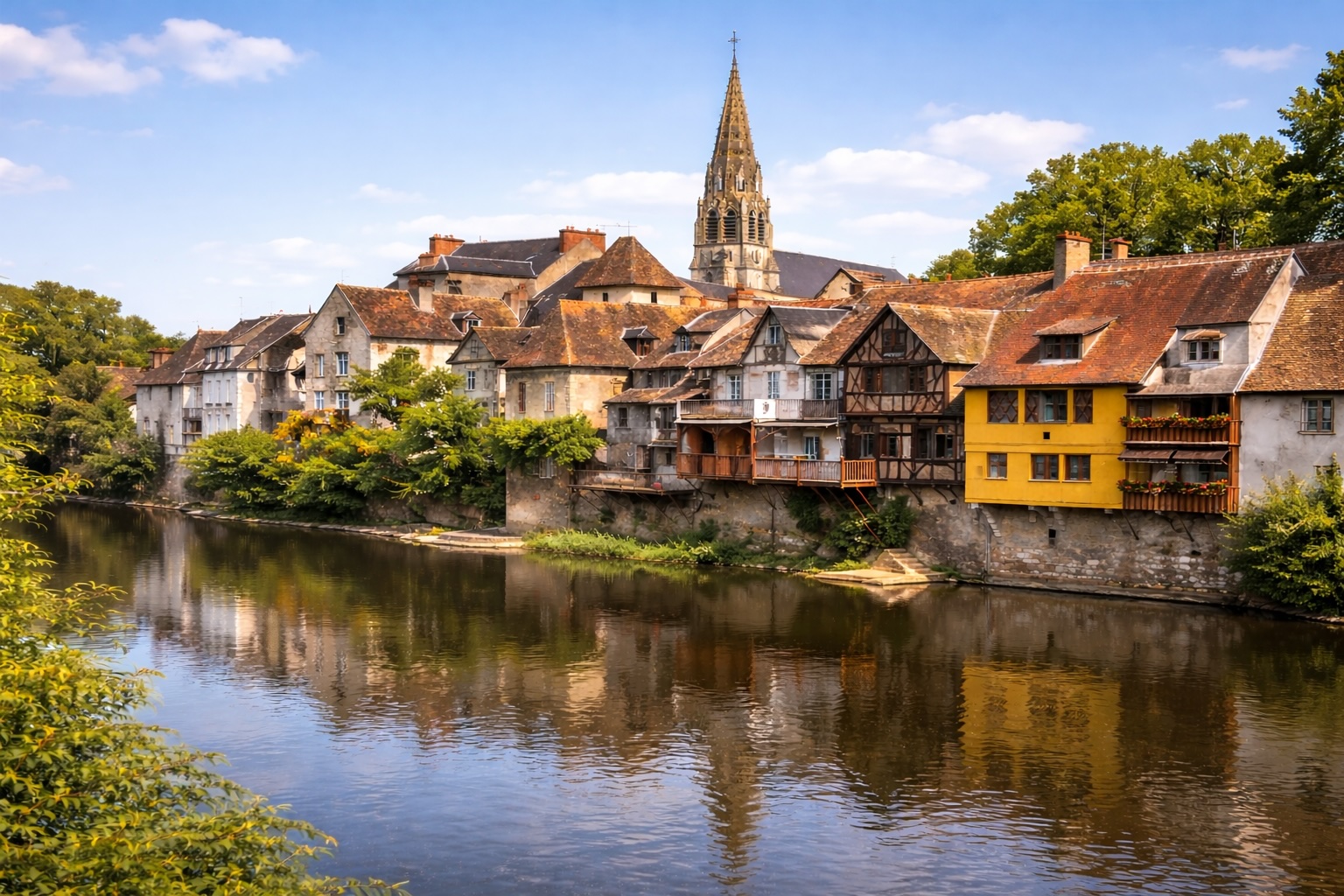
The Morvan is a small mountainous region in the heart of Burgundy, yet it has little in common with the Burgundy foreigners imagine. Instead of vineyards and grand estates, the Morvan is a land of forests, lakes, stone hamlets, and isolated farms.
Historically, it was a poor and harsh region, shaped by forestry and small-scale agriculture. That past still defines it today. Villages are scattered, houses are solid but modest, and distances feel longer than they are.
The Morvan remains largely unknown to foreigners because it contradicts the romantic image of Burgundy. It is quieter, colder, and less polished. Tourism exists, but it is local and seasonal. There are no international reference points to anchor it in the imagination of non-French visitors, which keeps both attention and prices low.
La Thiérache
Located in the far north of France near the Belgian border, Thiérache is a cultural region shaped by agriculture, red-brick villages, and fortified churches. It is a landscape of open fields, hedgerows, and working farms, far removed from the coastal or alpine images most foreigners associate with France.
Thiérache is rarely mentioned because it lacks a strong regional brand. It sits between larger, better-known identities and never promoted itself as a destination. Its architecture is practical, its towns modest, and its rhythm firmly anchored in local life.
For foreign buyers, Thiérache is almost invisible. There is little English-language information available, and almost no international tourism. Yet it offers substantial houses, strong construction, and prices that reflect long-term population decline rather than poor quality of life.
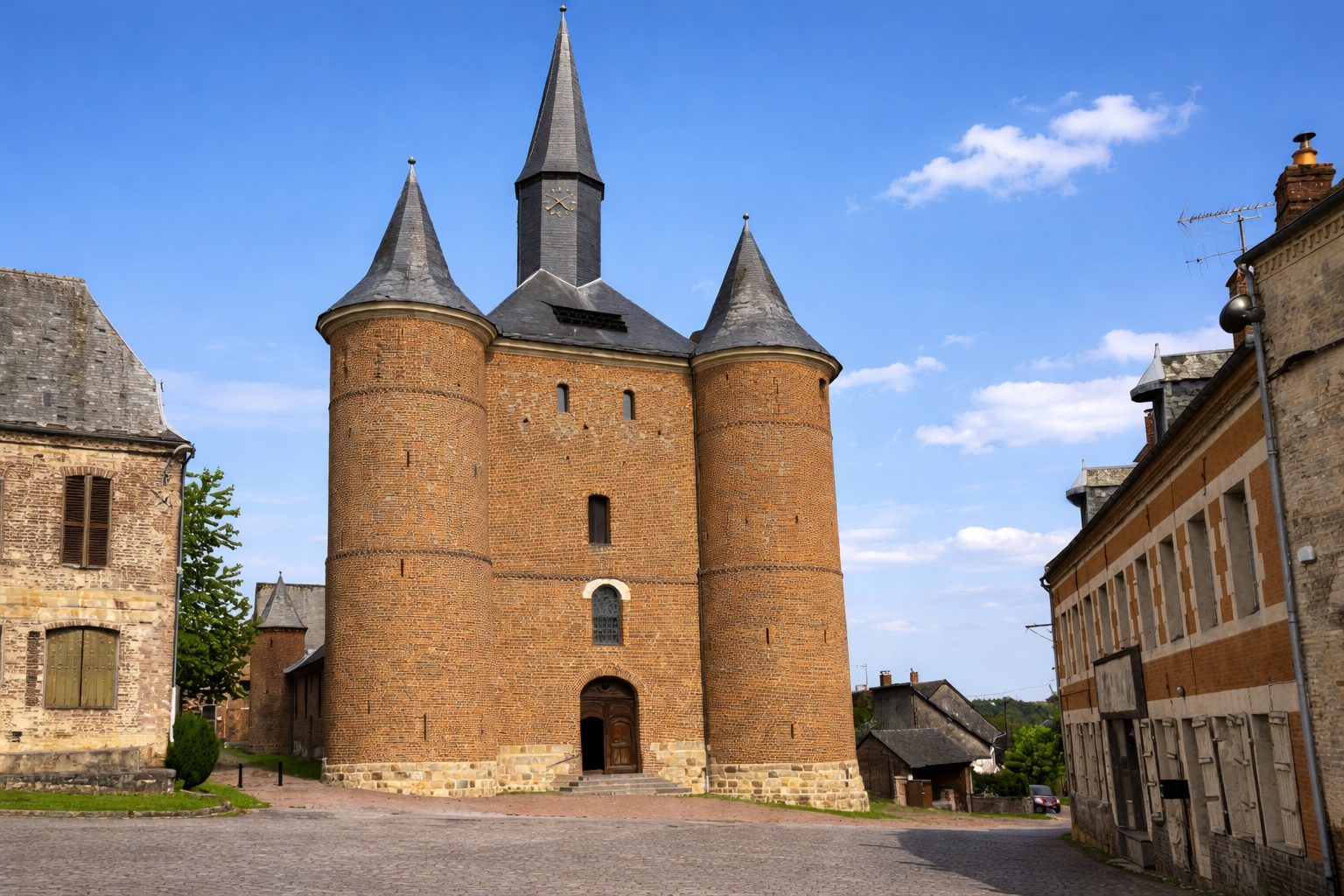
Les Ardennes
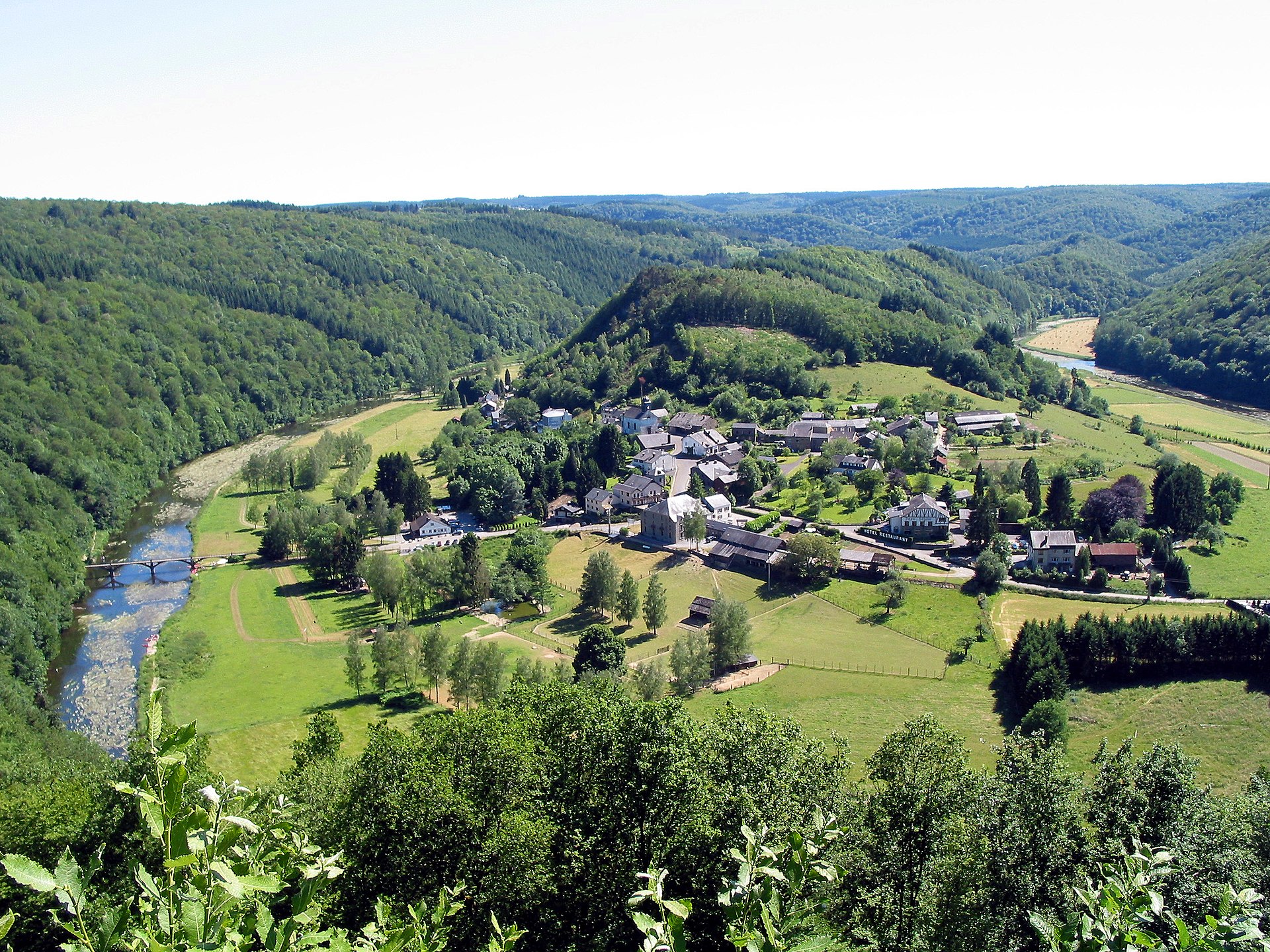
Par Jean-Pol GRANDMONT — Travail personnel, CC BY-SA 2.5
The Ardennes are often associated with war history, but rarely with daily life. This forested, hilly region near the Belgian border is sparsely populated and largely absent from foreign travel narratives about France.
Here, towns grew around industry that no longer exists, and villages are surrounded by dense woodland. Houses are sturdy, often large, and built for a colder climate. Life feels more northern, more restrained, and less expressive than in southern France.
Foreigners tend to overlook the Ardennes because they don’t fit the expected French lifestyle narrative. The weather is cooler, the atmosphere quieter, and the region carries no aspirational image abroad. As a result, it remains one of the most affordable areas in northern France, with a housing market driven almost entirely by local demand.
Le Limousin
Before administrative reforms, Limousin was a region in its own right, known mainly for cattle farming and porcelain production. Even today, the name carries little meaning outside France. It is a land of plateaus, lakes, and understated villages, built around stone houses that blend into the landscape.
Limousin never developed a strong tourism identity. It is neither dramatic nor fashionable. Instead, it offers consistency, space, and a way of life that has changed very little over decades.
What keeps Limousin unknown to foreigners is not isolation, but discretion. Nothing here demands attention. The region doesn’t sell itself, and it never needed to. For buyers willing to accept that neutrality, Limousin represents one of the purest examples of everyday France.
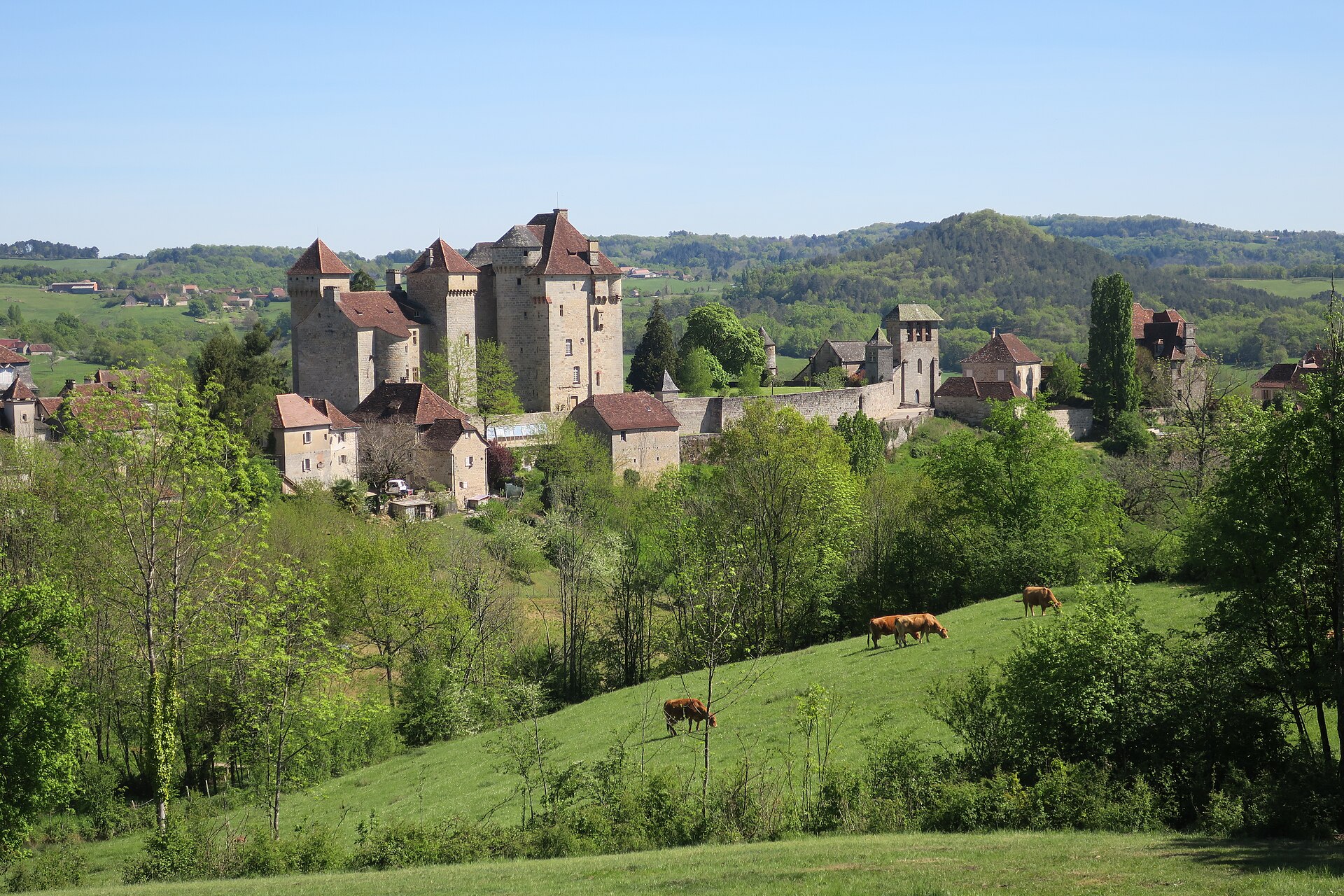
Par Juliofsanguino — Travail personnel, CC BY-SA 4.0
A France that doesn’t advertise itself
These places are not hidden gems waiting to be discovered. They are regions that simply never entered the international imagination. They continue to exist on their own terms, shaped by history, geography, and long-term demographic change.
For foreigners looking beyond the usual narratives, they offer a version of France that is quieter, more grounded, and often far more affordable. But they also demand realism. These are places where life is lived slowly, services are limited, and integration takes time.
They are not for everyone. And that is exactly why they remain unknown.