Skip to content

Can you buy a house in France without being a resident?
France has long been one of the most desirable countries in the world for property buyers. From picturesque rural villages and historic towns to Mediterranean coastlines and vibrant cities, the French real estate market attracts people looking for holiday homes, retirement properties, or investment opportunities. One of the most common questions from international buyers is whether it is possible to purchase property in France without actually living there.
The good news is that France is relatively open to foreign buyers. In fact, many people purchase property there while living abroad. However, while residency is not required, there are still legal, financial, and administrative considerations that non-resident buyers should understand before moving forward.
The legal situation for non-resident buyers
One of the most appealing aspects of the French property market is that it is open to buyers from all over the world. France does not impose restrictions on foreigners purchasing real estate, regardless of their nationality or whether they live in the country. Non-residents generally enjoy the same ownership rights as French citizens when it comes to buying houses, apartments, or land.
This means that someone living in the United States, the United Kingdom, Australia, or any other country can legally buy property in France without having French residency or citizenship. The legal process of purchasing property is largely the same for residents and non-residents alike, with the transaction supervised by a notaire, the public official responsible for ensuring that the sale is legally valid.
While the law allows non-residents to buy property freely, buyers should still be prepared to comply with the standard legal procedures involved in French real estate transactions. These procedures include signing preliminary contracts, conducting property checks, and finalizing the purchase through the notaire.

Buying property in France from abroad

Many buyers complete the entire purchasing process while living outside France. Modern communication tools and professional services make it possible to search for properties, sign documents, and even finalize transactions remotely.
International buyers often work with real estate agents, property finders, or legal professionals who help them navigate the French market. These experts can arrange virtual property visits, manage paperwork, and communicate with the notaire on the buyer’s behalf. In many cases, buyers only need to travel to France once, or sometimes not at all, to complete the transaction.
However, buying from abroad can involve additional administrative work. Certain documents may need to be translated into French, and financial verification is typically required to prove that the buyer has the funds to complete the purchase.
Financing options for non-residents
While buying property in France without residency is legally straightforward, financing the purchase can sometimes be more complicated. French banks do provide mortgages to non-resident buyers, but the requirements are often stricter than for residents.
Non-resident buyers may be asked to provide higher deposits, detailed proof of income, and financial documentation from their home country. Banks assess the applicant’s financial stability carefully because the borrower lives outside France. In some cases, buyers choose to purchase property with cash to simplify the process.
Even though obtaining a mortgage may require additional effort, many foreign buyers successfully secure financing from French banks each year.

Taxes and financial responsibilities

Owning property in France comes with financial obligations regardless of where the owner lives. Non-resident owners must pay certain local taxes associated with property ownership.
The most common tax is the taxe foncière, a local property tax that applies to all real estate owners in France and contributes to the funding of local services.
Depending on how the property is used, owners may also face additional tax considerations. For example, rental income generated from a French property is usually taxable in France. Non-residents may also need to declare the property or income in their home country, depending on international tax agreements.
Because tax rules can vary based on personal circumstances and nationality, many buyers seek advice from tax professionals before completing a purchase.
Property ownership does not grant residency
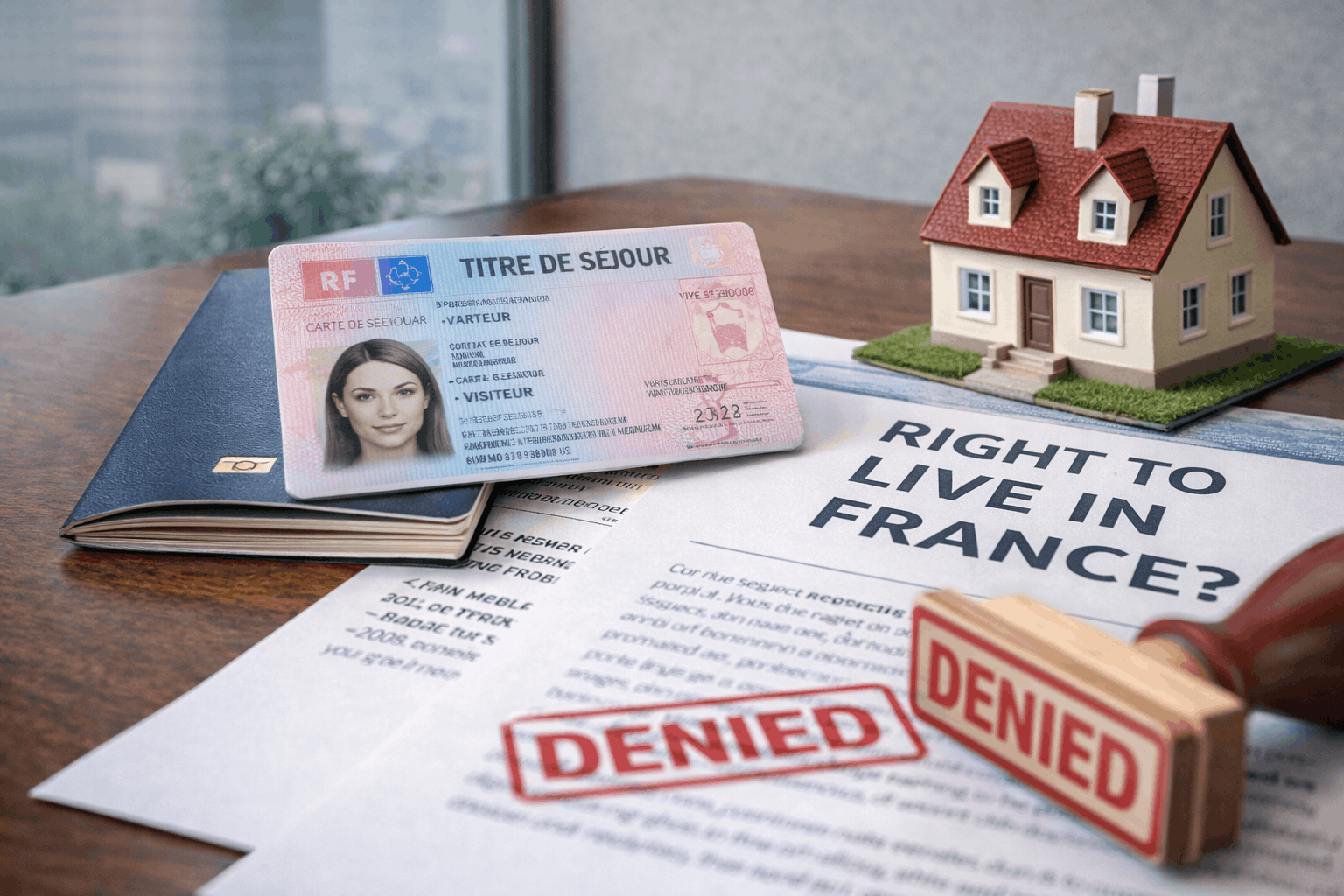
A common misconception among foreign buyers is that purchasing property in France automatically grants the right to live in the country. In reality, property ownership and immigration status are completely separate matters.
France does not offer a “golden visa” program where buying real estate leads directly to residency. If a non-EU citizen wishes to live in France for more than 90 days at a time, they must apply for the appropriate long-stay visa and residence permit.
This means that someone can own a home in France and visit regularly while still residing in another country. However, long-term stays require compliance with immigration rules.
Why many non-residents buy property in France
Despite the administrative steps involved, thousands of non-residents purchase homes in France every year. Some buyers are searching for a holiday retreat, while others are planning a future retirement or investing in rental properties.
France’s stable property laws, attractive lifestyle, and relatively accessible real estate prices in rural regions make it particularly appealing to international buyers. In addition, owning property in France can offer lifestyle benefits such as extended stays, cultural experiences, and the opportunity to generate rental income.
For many people, the ability to buy property without needing residency is what makes the French market especially attractive.
Final thoughts
Yes, it is entirely possible to buy a house in France without being a resident. The country places very few restrictions on foreign property ownership, and non-resident buyers enjoy the same legal rights as French citizens when purchasing real estate. While residency is not required, buyers should still understand the legal process, financing options, tax obligations, and visa rules that may apply.
With proper preparation and professional guidance, purchasing property in France from abroad can be a straightforward and rewarding experience. For many international buyers, it is the first step toward enjoying everything that life in France has to offer, whether for holidays, investment, or a future move.