Skip to content

La Chandeleur: Why France eats crêpes every February 2nd
If you’re in France at the beginning of February, you’ll notice something curious. Crêpes everywhere. In bakeries, at home, in offices, and even in schools. This isn’t random indulgence: it’s La Chandeleur! One of those quiet but deeply rooted French traditions that mixes history, religion, superstition… and very good food.

What is La Chandeleur?
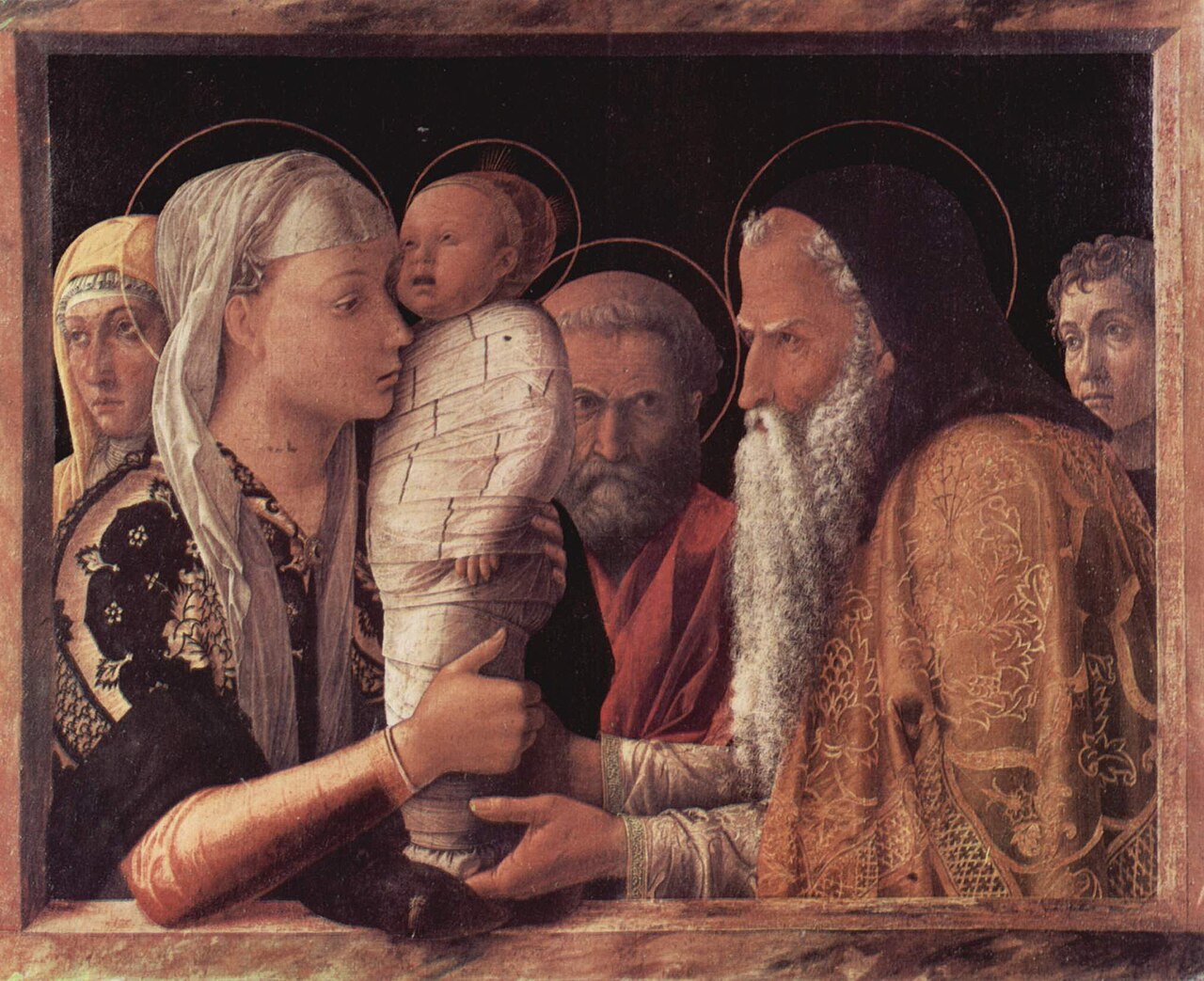
Presentation of Jesus at the temple by Andrea Mantegna, 1465.
La Chandeleur takes place every year on February 2nd, exactly 40 days after Christmas. Its official name is La Fête de la Chandeleur, often translated as Candlemas in English.
Originally, it was a religious celebration marking the presentation of Jesus at the temple. Churches held candle processions, symbolizing light returning after winter. But as with many French traditions, religion slowly stepped aside, and food took over.
Why Crêpes?
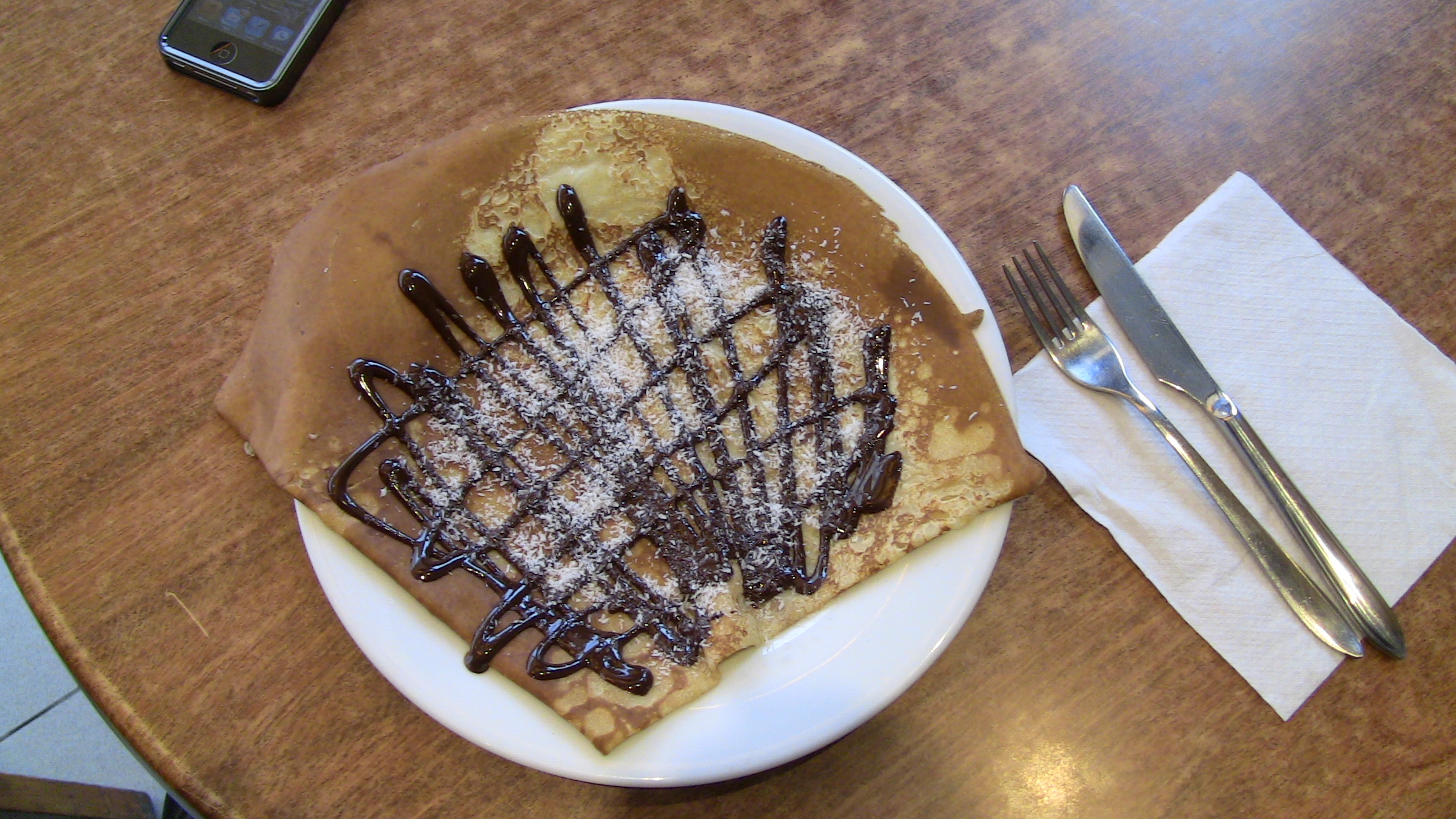
by Reubentg – CC BY-SA 3.0
Crêpes became associated with La Chandeleur for several reasons:
- Their round, golden shape symbolized the sun and the return of longer days
- February was traditionally a time when farmers used leftover flour before the new harvest season
- They were cheap, simple, and could feed a household easily
Over time, eating crêpes on February 2nd became the tradition, whether you’re religious or not.
Today, for most French people, La Chandeleur simply means: “We eat crêpes tonight.”
Sweet or Savory?
Traditionally, sweet crêpes are the star of La Chandeleur.
Classic toppings include:
- Sugar and lemon
- Butter and sugar
- Jam
- Chocolate spread
Savory galettes (made with buckwheat) are more associated with meals in Brittany, but on La Chandeleur, dessert crêpes dominate.
La Chandeleur isn’t a public holiday : There are no parades and no decorations, and yet, almost everyone participates.
- Parents make crêpes with their kids
- Offices bring stacks of homemade crêpes to share
- Bakeries sell special crêpe packs and batter
It’s casual, comforting, and very French: a tradition that survives because people enjoy it, not because they’re told to.
If you’re living in France, visiting, or planning to move here, this is one of those moments where you don’t watch the culture, you participate in it!
Want to try it at Home?
Ingredients (Makes about 10–12 crêpes)
- 1 cup (125 g) all-purpose flour
- 2 large eggs
- 1¼ cups (300 ml) milk
- 1 tbsp melted butter (plus more for the pan)
- 1 tbsp sugar (optional, for sweet crêpes)
- 1 pinch of salt
Instructions
-
Make the batter
In a mixing bowl, add the flour and salt (and sugar if using).
Make a well in the center and add the eggs. -
Mix slowly
Start whisking while gradually adding the milk.
This helps prevent lumps and keeps the batter smooth. -
Add the butter
Stir in the melted butter until fully combined.
The batter should be thin — similar to heavy cream. -
Rest the batter (important!)
Let the batter rest for 30 minutes at room temperature.
This makes the crêpes lighter and more elastic. -
Cook the crêpes
Heat a non-stick pan over medium heat and lightly butter it.
Pour a small ladle of batter into the pan and swirl to spread it thin. -
Flip
Cook for about 1 minute, until the edges lift slightly.
Flip and cook the other side for 30 seconds. -
Repeat
Stack the crêpes on a plate and keep them warm while cooking the rest.
How to Serve
Classic sweet toppings:
- Sugar and lemon juice
- Butter and sugar
- Jam
-
Chocolate spread