 Skip to content

Relocate to France:
Nantes
Everything you need to know before making the City of Dukes your new home.
Relocating to Nantes is an exciting step, whether you’re drawn by its vibrant culture, booming job market, or relaxed lifestyle. But like any move, it comes with important decisions and new systems to navigate. Whether you’re coming for work, studies, family, or a fresh start, this guide will help you prepare for your new life in one of France’s most livable cities.
From choosing the right neighborhood to understanding visas, French bureaucracy, budgeting, and getting settled in everyday life, you’ll find practical advice and local tips to make your transition smoother and more confident.
This page combines first-hand insights with expert guidance. And if you ever need personalized support, we’re here to help every step of the way.
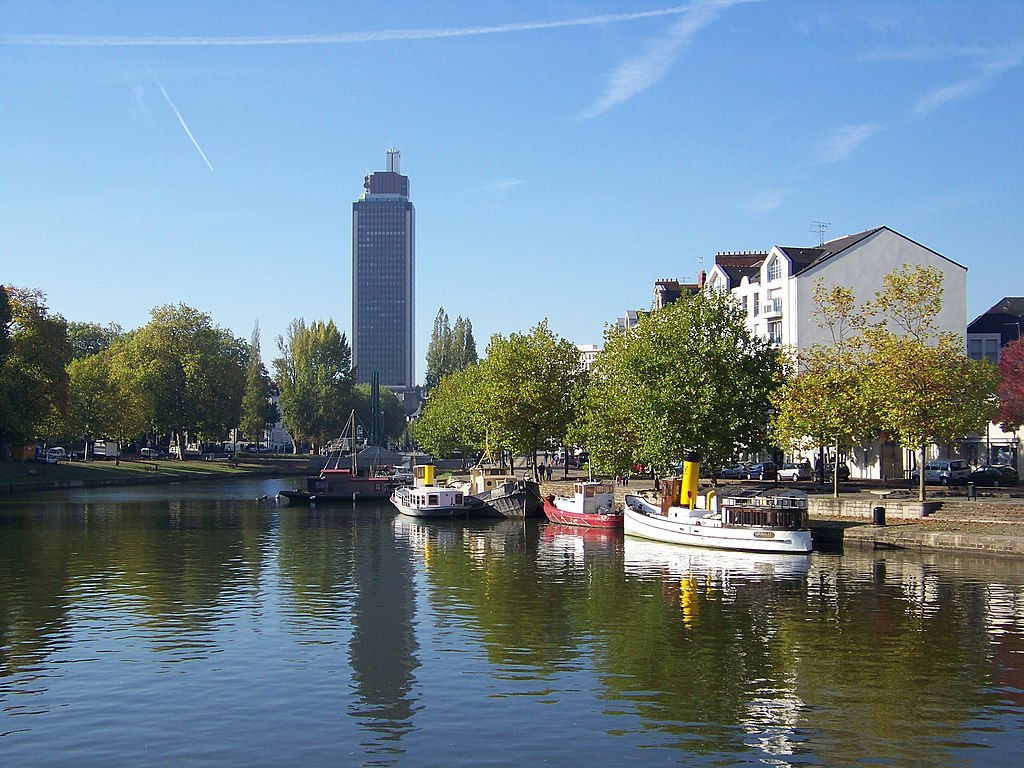
Photo by Guillaume Piolle under licenceCC BY 3.0
🏙️ Living in Nantes
Which neighborhood is right for you?
Nantes has many neighborhoods and each have their own personality, rhythm, and charm. Whether you’re looking for creative energy, family-friendly streets, or peace and quiet, choosing the right quartier will shape your day-to-day life, from rent and transport to community vibes and cafés.
Here’s a breakdown of some of Nantes’ most popular neighborhoods for newcomers:
📸 Centre-ville: historic & connected
The heart of Nantes, this area is packed with beautiful architecture, shopping streets, and easy access to trams and buses. Expect lively squares, cafés, the Château des Ducs, and lots of students and professionals.
Best for: Urbanites, students, short-term expats
Neighborhood vibe: Central, dynamic, walkable
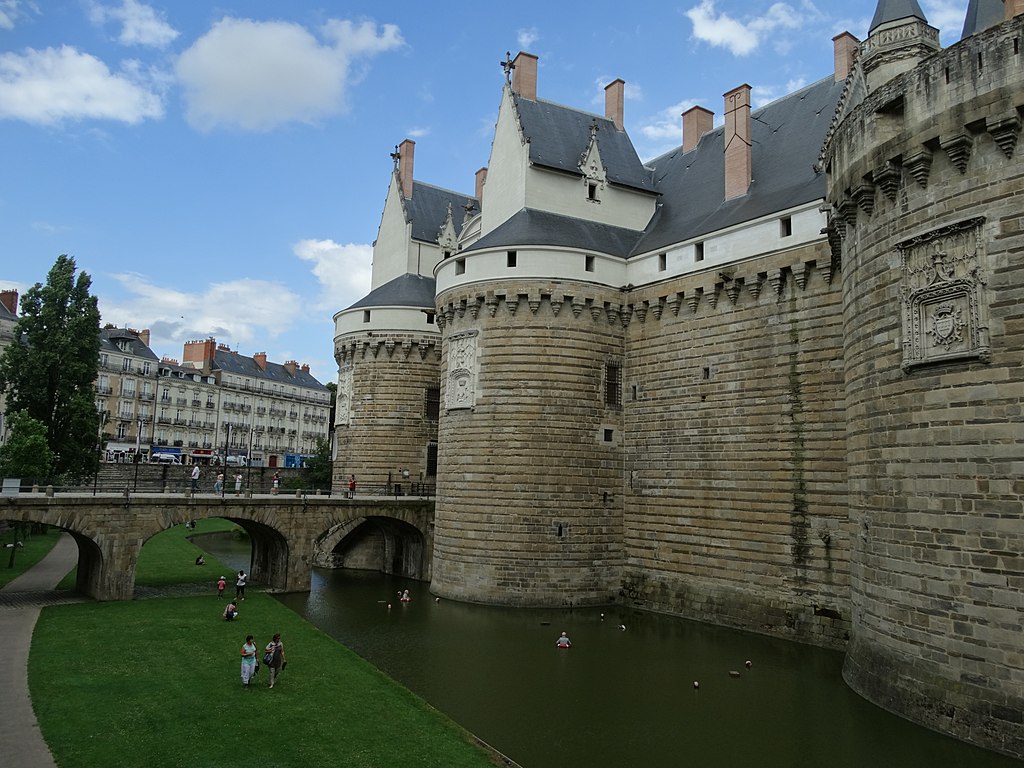
Castle of the Dukes of Britanny
Photo by JoévinB under licence CC BY-SA 3.0

The Mechanial Elephant of Nantes
Photo by Guilhem Vellut under licence CC BY-SA 2.0
🎨 Île de Nantes: modern & creative
A fast-growing, innovative district built on a former industrial island. It’s home to Les Machines de l’île (the giant mechanical elephant), start-ups, art spaces, and modern apartment buildings with river views.
Best for: Young professionals, creatives, architects-at-heart
Neighborhood vibe: Trendy, experimental, evolving
🌿 Hauts-Pavés / Saint-Félix: quiet & residential
Close to the city center but far from the noise, this area is full of parks, good schools, and family homes. It’s a favorite among locals looking for peace without sacrificing accessibility.
Best for: Families, long-term expats, remote workers
Neighborhood vibe: Calm, green, convenient
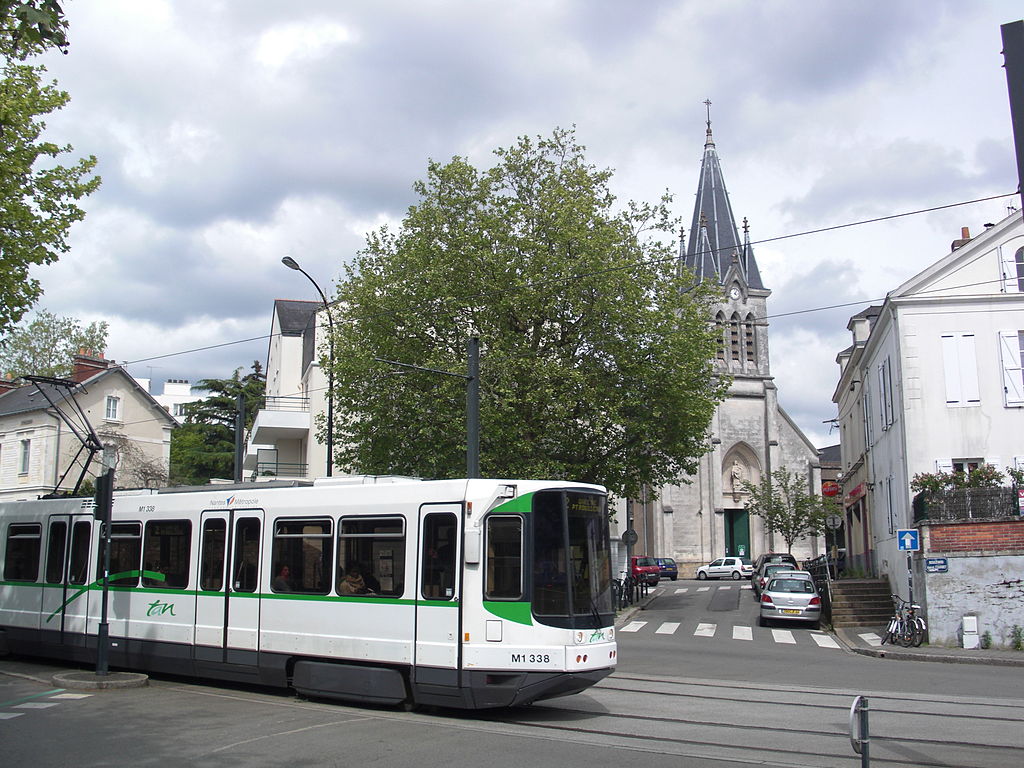
Saint-Félix
Photo by Laubrière under licence CC BY-SA 3.0
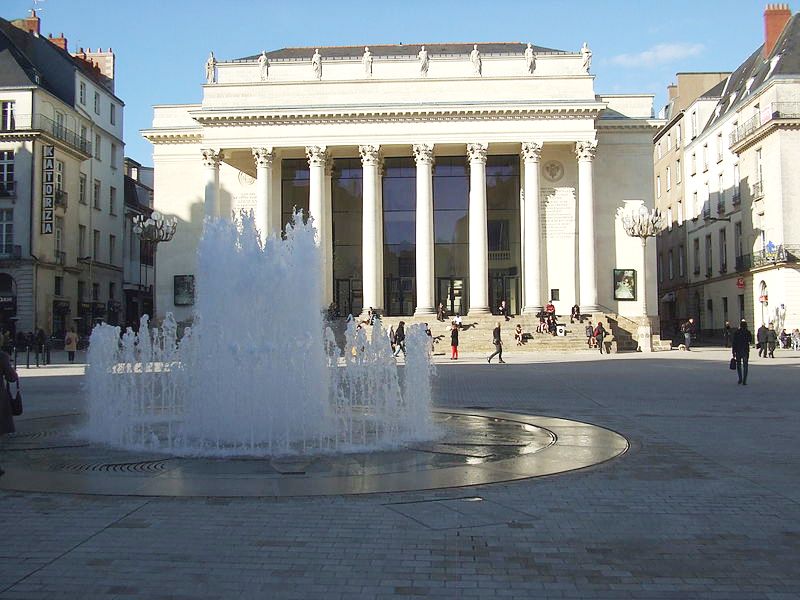
Graslin
Photo by Pj44300 under licence CC BY-SA 3.0
🛍️ Graslin / Decré: elegant & lively
These upscale quarters are located near the Théâtre Graslin and Passage Pommeraye. You’ll find stunning 18th-century buildings, boutiques, and excellent restaurants.
Best for: Professionals, foodies, lovers of classic architecture
Neighborhood vibe: Stylish, bustling, refined
🎓 Université / Petit Port: academic & affordable
A quieter district home to university campuses and large green spaces. The rent is often more accessible here, and the tram brings you downtown in minutes.
Best for: Students, budget-conscious newcomers
Neighborhood vibe: Relaxed, studious, green
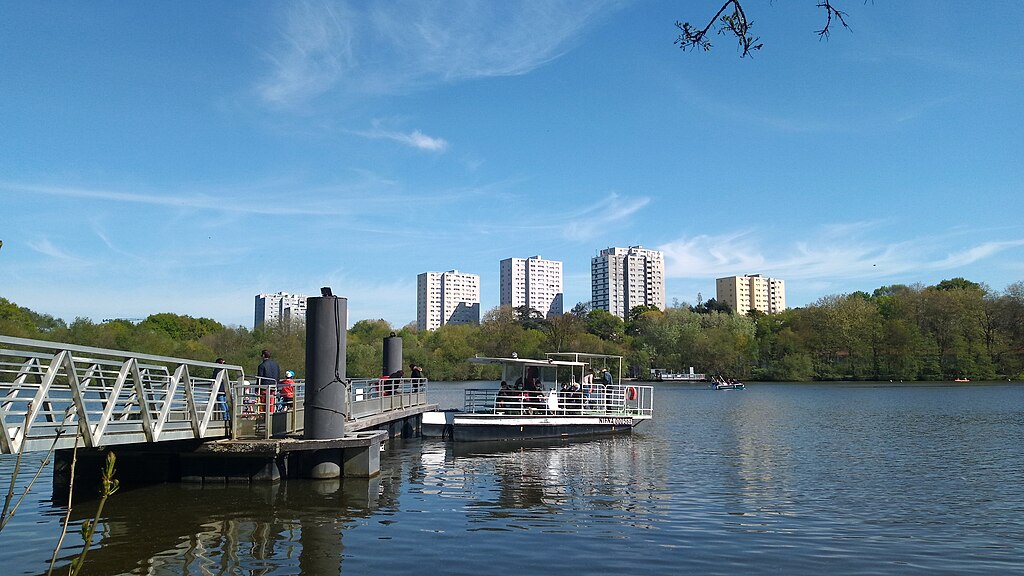
Petit Port
Photo by BN&Cie under licence CC BY-SA 4.0
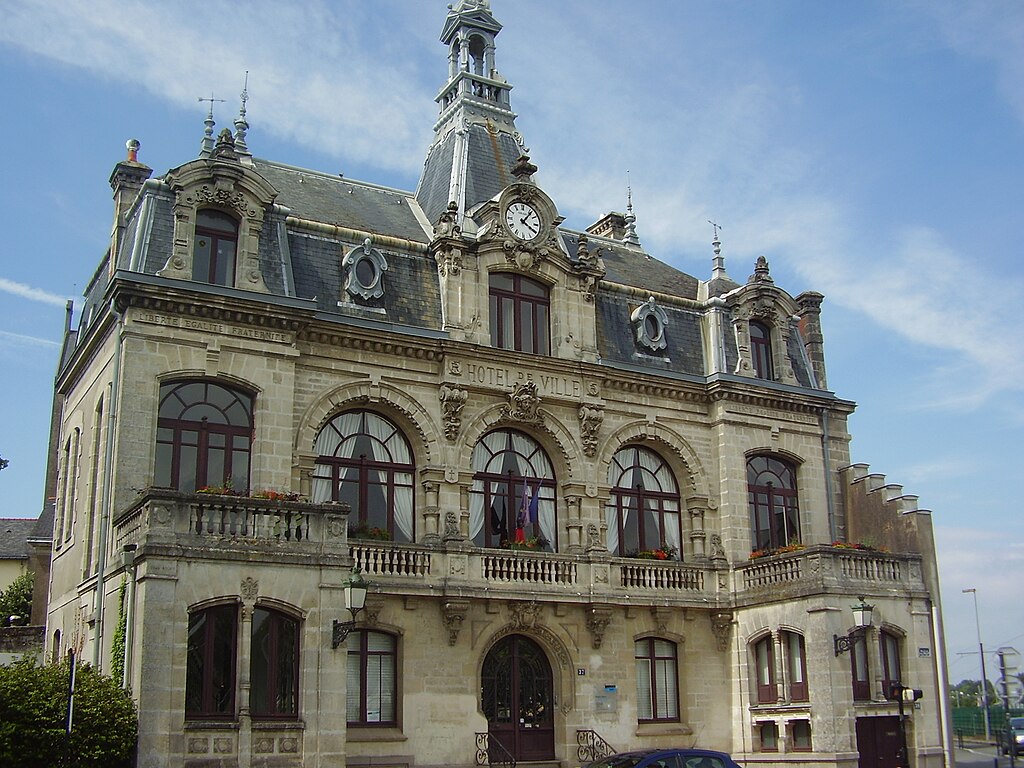
City Hall of Doulon
Photo by Martoss8 under licence CC BY-SA 3.0
🚲 Doulon / Bottière: local & up-and-coming
Further from the center but well connected by tram, this area offers more space, lower rent, and a growing community of young families and newcomers.
Best for: Budget-conscious expats, families, cyclists
Neighborhood vibe: Authentic, evolving, suburban
🏡 Chantenay / Sainte-Anne: scenic & artistic
Perched on hills with views over the Loire River, this neighborhood has a village-like feel with narrow streets, art studios, and one of the best panoramas in town. It’s a bit removed but full of charm.
Best for: Artists, walkers, those looking for character
Neighborhood vibe: Bohemian, scenic, laid-back
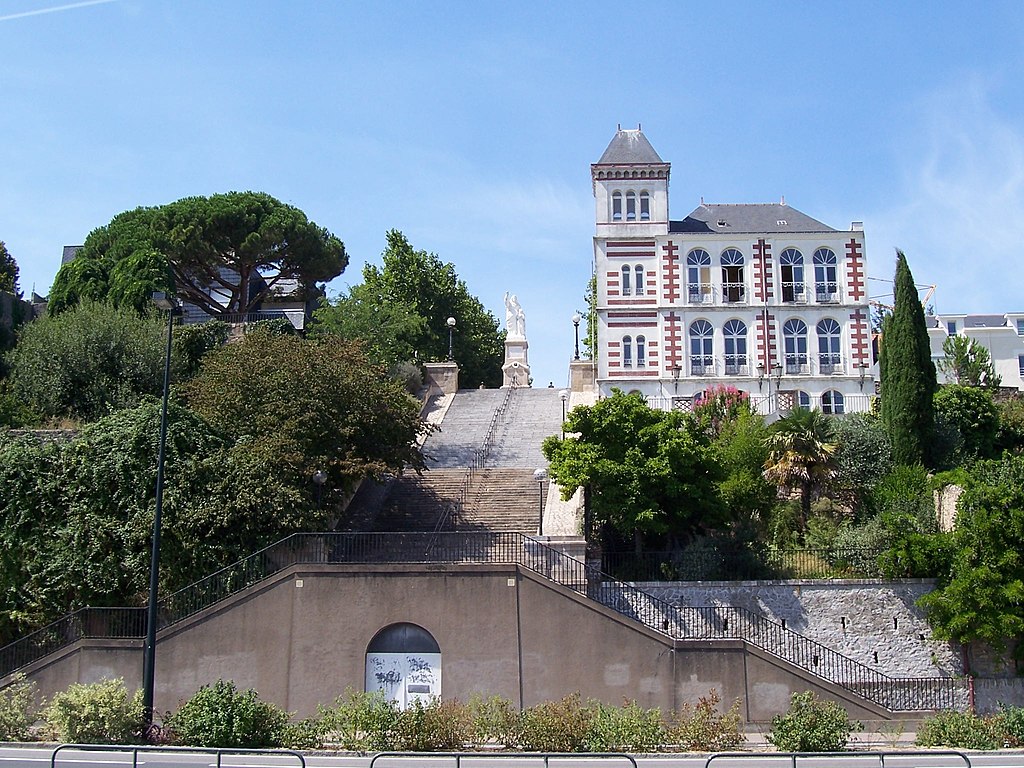
The Jules Verne museum on top of the Butte Sainte-Anne
Photo by Pepie34 under licence CC BY-SA 2.0
🏙️ Nantes vs. surrounding towns: which should you choose?
One of the key decisions when moving to the Nantes area is whether to live in the city itself or in one of the nearby towns and villages. Each option comes with its own advantages, depending on your lifestyle, family situation, and budget.
🏠 Living in Nantes
Choosing to live within the city limits means enjoying everything Nantes has to offer, from vibrant markets and excellent public transport to lively cafés, cultural festivals, and access to daily amenities without needing a car. Housing ranges from modern flats to charming older homes, but like any city, space is often limited, and prices can be higher the closer you get to the center.
Pros:
-
Walkable and bike-friendly
-
Excellent tram and bus network
-
Close to shops, schools, restaurants, and museums
-
Lively local life and events
Cons:
-
Higher rent compared to nearby towns
-
Smaller living spaces
-
Less green space, depending on the neighborhood
🌳 Living outside Nantes
The greater Nantes area is dotted with picturesque towns and residential communities that are quieter, more spacious, and often more affordable. Many are connected to the city by train (TER), tram-train, or regional buses, making them viable for commuters or those seeking a slower pace of life. You’ll find everything from historic villages to modern suburbs, each with its own identity.
Pros:
-
Larger homes, often with gardens
-
Lower cost of living
-
More space and nature
-
Often more family-friendly and calm
Cons:
-
Longer commutes, especially if driving
-
Fewer dining and nightlife options
-
May require a car for errands or school runs
🚆 Towns around nantes worth considering:
Rezé: Just south of the city, very well connected by tram and full of schools, parks, and local charm.
Saint-Herblain: A large and diverse suburb with shopping centers, schools, and green space.
Orvault: Popular with families for its peaceful atmosphere and proximity to nature.
Vertou: Green, scenic, and close to the vineyards, a great option for those wanting a mix of town and countryside.
Carquefou: Known for its good schools, calm lifestyle, and access to the Erdre River.
Trentemoult: A colorful, artsy riverside village with ferry access to central Nantes, great for creatives or retirees.
Bouguenais: A practical choice just outside the city, offering easy access to Nantes‑Atlantique Airport and the tram‑train line, with plenty of new housing and a strong local feel.
🏡 Finding a home in Nantes: What to expect and how to dearch
Nantes offers a great balance between charm, practicality, and affordability, especially when compared to bigger cities like Paris. Whether you’re looking for a stylish apartment in the historic center, a house with a garden in the suburbs, or something flexible for the short term, it helps to understand the types of housing available and how the rental process works.
🏛️ Types of housing in Nantes
Classic city-center apartments
In neighborhoods like Bouffay or Graslin, you’ll find elegant older buildings with wooden floors, fireplaces, and tall windows. These apartments often have character but may lack modern updates like elevators or central heating.
Studios and 1-bedroom flats
Ideal for singles or couples, these are common across the city and especially in student-friendly areas like Île de Nantes or near university campuses. Many studios are compact (15–25m²), but offer everything you need to settle in comfortably.
Modern apartments
Newer developments in areas like Euronantes, Zola, or Saint-Joseph de Porterie often come with elevators, balconies, good insulation, and energy-efficient heating. These are especially popular with young professionals and families looking for a more contemporary lifestyle.
Shared housing (Colocation)
Shared apartments are widely available and can be an excellent option for students or digital nomads. You’ll find a strong community of young people and international expats looking to split costs and socialize.
Houses in the suburbs
If you’re planning to stay longer or moving with a family, many of Nantes’ suburbs, like Vertou, Orvault, or Bouguenais, offer houses with gardens, more space, and a quieter environment. They’re still well-connected to the city by tram or train.
Furnished vs. unfurnished
Many rentals in Nantes come furnished (“meublé”), making them ideal for newcomers who want to settle in quickly. Unfurnished apartments (“non-meublé”) offer more flexibility for long-term stays, though you may need to buy appliances or furniture yourself.
🔎 How to apartment hunt in Nantes
Looking for a place to live in Nantes is generally easier and less competitive than in Paris, but it still requires preparation and awareness of how the French rental market works. The good news? You’ll find more space for your budget and a wider range of options, from modern flats to charming townhouses.
Best websites to start with:
-
SeLoger – One of the biggest rental sites in France
-
PAP – Direct owner listings (no agency fees)
-
Leboncoin – Like Craigslist, but for everything
-
Facebook Groups – Search “Apartments in Nantes” or “Expats in Nantes” for real-time offers
Agencies vs. direct owners
Real estate agencies can guide you through the process and help with paperwork, especially if you’re not fluent in French. However, they typically charge a fee, usually around one month’s rent. If you’re comfortable with French, renting directly from owners (via PAP or Leboncoin) can be more economical, but requires more diligence.
What to watch out for:
-
Scams: Never wire money before visiting. Always sign a proper rental contract.
-
Required documents: Be prepared to provide proof of income, ID, guarantor details, etc. The list can be surprisingly long.
-
Competition: While Nantes is less competitive than Paris, good apartments still go quickly, especially near the city center or university areas. Be responsive and proactive when you see something you like.
💸 Cost of Living in Nantes
Living in Nantes is significantly more affordable than Paris, while still offering a high quality of life. Whether you’re moving as a student, professional, or with your family, your budget will stretch further, especially when it comes to rent and daily expenses.
Rent is typically your biggest monthly cost, but prices in Nantes are much more reasonable. A one-bedroom apartment in the city center generally costs between €650 and €900 per month. In quieter neighborhoods or nearby suburbs, you can often find similar spaces for €500 to €750. Studio apartments can start around €450 to €600, especially in areas like Dervallières-Zola or Bottière.
In addition to rent, utilities (electricity, gas, water, and heating) will usually cost between €100 and €180 per month, depending on your apartment size and energy habits. Internet is widely available and relatively cheap, most plans from providers like Orange, Free, or SFR range from €20 to €35 per month. Some furnished rentals include utilities, so always ask what’s covered before signing the lease.
Groceries are reasonably priced, with major supermarket chains like Leclerc, Carrefour, Lidl, and Intermarché easily accessible. Shopping at local markets (like Marché de Talensac) can also be a great way to save money and support local producers. Dining out is affordable: expect to pay around €12 to €18 for a casual lunch menu, or €25 to €40 at a good mid-range restaurant. Splurging on fine dining will still be more budget-friendly than in Paris.
Public transportation in Nantes is clean, reliable, and well-organized. The NAOLIB network (bus, tram, and navibus) covers the entire metropolitan area, and a monthly pass costs around €60, with reduced rates for students and young professionals. Many locals also use bikes, and Nantes has an extensive network of bike lanes and a bike-sharing system called Bicloo.
In short, Nantes offers an excellent balance of comfort, affordability, and culture, allowing you to enjoy the good life in France without the financial stress that often comes with big-city living.
🛂 Visas & Residency
Before relocating to Nantes, it’s essential to determine whether you need a visa, and if so, which one. EU and EEA citizens can move to France freely without a visa or residency permit. However, for non-EU citizens (including Americans, Canadians, Australians, and Brits), a visa is generally required for stays longer than 90 days.
France offers several visa options depending on your personal situation: whether you’re moving to work, study, join a partner, start a business, or retire. The most common include the long-stay visitor visa (VLS-TS), Talent Passport, and student visas. Each type has its own set of requirements, documents, and timelines.
After arriving in France with a long-stay visa, you’ll need to validate your visa online through the OFII (Office Français de l’Immigration et de l’Intégration). This must be done within the first three months of your arrival. For those planning to stay long-term, you may also need to apply for a titre de séjour (residency card) before your visa expires, and be mindful of renewal dates and evolving requirements.
Even in a smaller, more relaxed city like Nantes, French bureaucracy remains… well, French. The steps can feel overwhelming at times, especially if your situation changes (job switch, family reunification, etc.). That’s why we offer a dedicated service called “Moving to France: Private Consultation”, where we help you understand your visa options, guide you through the paperwork, and prepare for a stress-free arrival.
With good preparation and the right help, getting your visa and residency sorted in Nantes is entirely doable, and a small price to pay for the opportunity to build a new life in one of France’s most livable cities.
🛠️ Setting up your life in Nantes
Getting a French phone number
One of the first things you’ll want to do is get a local SIM card or mobile plan. Major providers like Orange, SFR, Bouygues, and Free offer both prepaid options and monthly contracts. Prepaid SIMs are easy for short stays, while long-term residents often choose monthly plans for better rates and data.

SIM Card
Photo by Luis under licence CC BY-SA 4.0
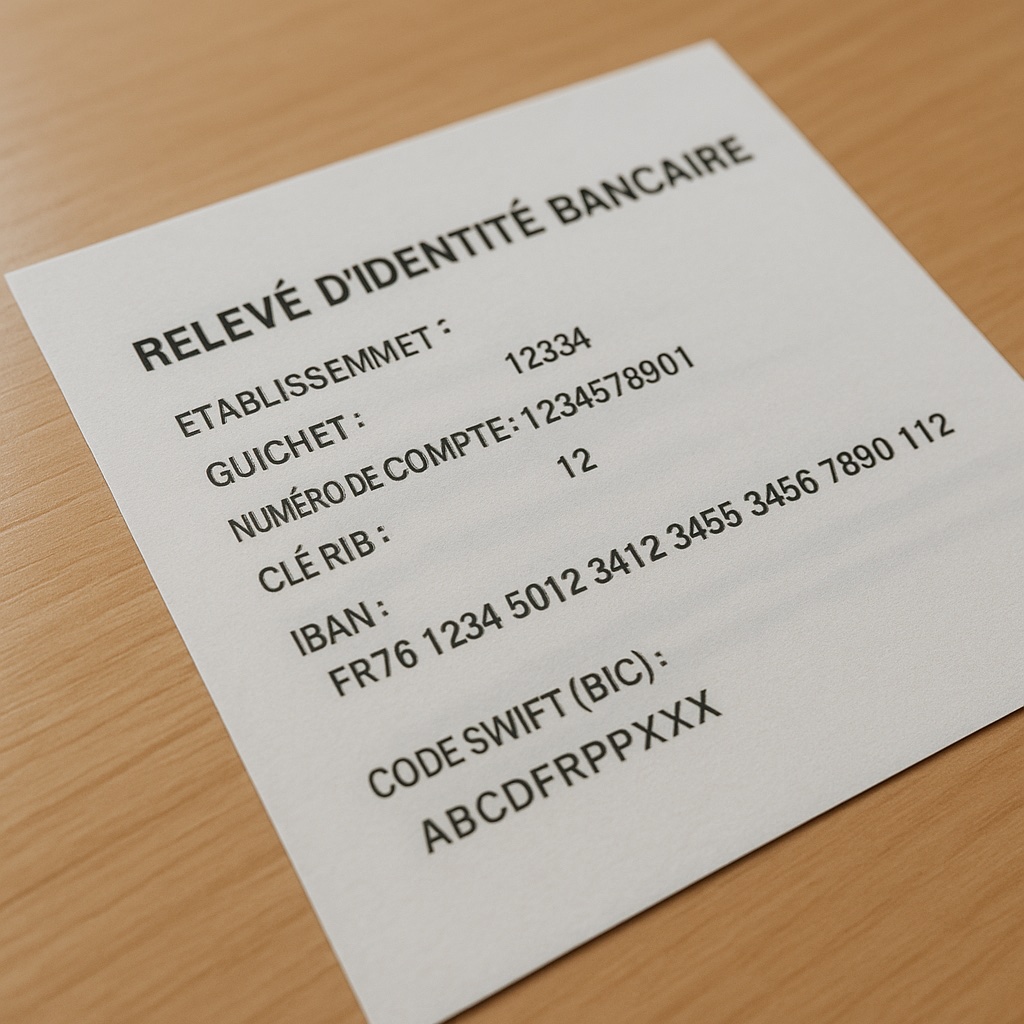
Opening a Bank Account
To rent an apartment or get paid, you’ll need a French bank account. Be prepared to provide ID, proof of address, and a visa or residence permit. Traditional banks like BNP Paribas and Crédit Agricole are everywhere, but online banks like N26 or Revolut can be quicker to open, especially if you’re just settling in.
If you’re feeling unsure about any part of the process, you can book a private consultation for personalized answers. And if you want full, stress‑free assistance, our France Relocation Starter Pack is the perfect way to get started.
Health Insurance and Social Security
Once you’re living in France, you should register with the public healthcare system (CPAM) to receive your carte vitale, which covers most medical costs. The process takes time and paperwork, so many newcomers also take out private insurance during the waiting period.
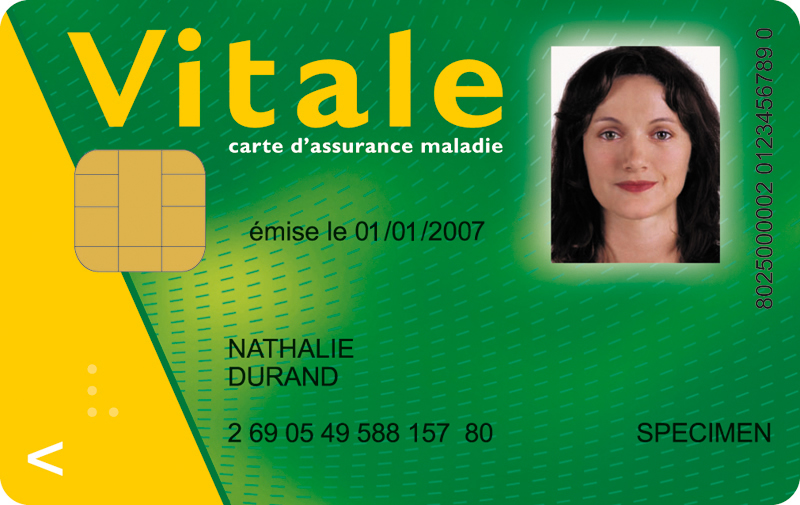
Carte Vitale
Photo by Giesesamvitale under licence CC BY-SA 3.0
Finding a Doctor or Dentist
Healthcare in France is high-quality, but finding the right practitioner can be tricky if you don’t speak French. Use platforms like Doctolib to search for GPs, specialists, or dentists who accept new patients and allow online booking. You can filter by location, language, or whether they take carte vitale.
Schooling for Children
If you’re moving with kids, you’ll need to choose between public, private, bilingual, or international schools. The public school system is free and generally high-standard, but classes are entirely in French. International and bilingual schools are ideal if your child doesn’t speak the language yet, just be aware that spots fill up quickly.
💼 Working in Nantes
Starting a professional life in Nantes offers a unique mix of opportunity and quality of life. As one of France’s fastest-growing mid-sized cities, Nantes has a dynamic job market, especially in sectors like tech, digital media, education, healthcare, and green industries. While English-speaking roles do exist, especially in startups and international companies, having at least a basic level of French is often expected for most positions.
If you’re planning to freelance or start your own business, the auto-entrepreneur (micro-entreprise) status is a flexible option. It allows you to register quickly, invoice clients legally, and begin working independently, perfect for consultants, creatives, or digital nomads. However, understanding which activity to declare and how to stay compliant can still feel daunting when you’re new to the system.
Work culture in France may also come with surprises: 35-hour workweeks, CDI (permanent contracts), structured hierarchies, and plenty of paid vacation are the norm. Adapting to these norms, and understanding the expectations around work-life balance, will help you integrate more easily into your new professional environment.
If your profession is regulated (medicine, law, architecture, etc.), you might also need to go through a diploma recognition or equivalency process. This is especially true for non-EU citizens and can take some time.
Navigating all this on your own can be tricky, which is why we offer personalized assistance through our relocation services. Whether you’re job hunting, registering as a freelancer, or trying to understand the French work system, we’re here to help make your transition in Nantes smoother and more successful.
⚠️ Mistakes to avoid when moving to Nantes
Moving to Nantes offers a great balance of urban comfort, cultural life, and green spaces, but like any international move, it requires some thoughtful planning. One of the most common pitfalls is underestimating the complexity of French bureaucracy. Whether you’re applying for a visa, registering for healthcare, enrolling your kids in school, or opening a bank account, be prepared for delays and paperwork that isn’t always straightforward. French administration tends to value formality and documentation, so bring copies of everything, stay organized, and don’t be surprised if you’re asked for the same paper twice.
Another frequent mistake? Assuming you can get by without any French. While Nantes is an open and international city, daily life, from going to the pharmacy to calling customer service, is mostly in French. Even a basic level of the language will make your transition much smoother and help you connect with locals. People in Nantes are generally welcoming, and showing effort with the language goes a long way.
When it comes to housing, don’t assume that rent includes everything. Most rentals in France require you to pay separate charges for utilities like electricity, water, gas, and building fees (“charges”). Always ask what’s included in your rent and request an estimate of monthly extras to avoid surprises.
And be cautious when signing a lease. French rental agreements can be long and detailed, and once signed, you’re legally bound by its terms. Make sure you understand the notice period, any exit conditions, and expectations like move-out cleaning or property maintenance. If you’re unsure, consider getting guidance before committing.
Relocating to Nantes is an exciting step, the city is welcoming, vibrant, and more manageable than Paris. But avoiding a few common mistakes will help ensure your move goes smoothly. And if you’d rather not figure it all out alone, we’re here to support you.
🧭 Relocation specialists
Why work with a relocation expert?
Moving to Nantes is an exciting opportunity, a vibrant city with a high quality of life, rich culture, and a more relaxed pace than Paris. But just like anywhere in France, navigating the administrative maze can be time-consuming and confusing, especially if you’re unfamiliar with the language or the system. From apartment hunting to registering with social security, every step comes with its own procedures and paperwork.
That’s where a relocation expert comes in. Instead of spending weeks figuring out how to open a bank account or where to submit your visa documents, you’ll have someone by your side who knows the ins and outs of the local system. We help you save time, avoid costly mistakes, and settle in smoothly, so you can focus on enjoying your new life in Nantes.
What we can help you with
We offer hands-on assistance with the most time-consuming and confusing parts of your move. That includes helping you find housing, setting up utility contracts, registering for social security and health insurance, getting your kids into school, and understanding the basics of life in France. Need help opening a bank account, applying for a residence permit, or figuring out your tax situation? We’ve got you covered. We also share insider tips and vetted local resources to make your life easier from day one.
Personalized support or full-service packages
We understand that every person and every move is different. That’s why we offer flexible levels of support. If you just need help with a few key steps, you can book a one-time consultation or a focused support session. But if you prefer a more hands-off approach, our “France Relocation Starter Pack” includes comprehensive services, from pre-arrival planning to help once you’re here.
Whether you want full-service relocation or just a trusted guide on call, we tailor our support to match your needs, your timeline, and your budget.
